Enhance Office Lighting with Ultra Thin Square LED Panel Light
Ultra thin square LED panel lights represent a modern evolution in illumination technology, offering functional and aesthetic benefits for various indoor environments. These luminaires are characterized by their slim profiles, square form factors, and the utilization of Light Emitting Diode (LED) technology. Their design often incorporates an aluminum frame, a light guide plate (LGP), a diffuser, and integrated LED chips, all working in concert to produce uniform, diffused light.
The development of LED technology has significantly impacted lighting Villenas design. Traditional incandescent and fluorescent fixtures, while serving their purpose for decades, presented limitations in terms of energy efficiency, lifespan, and design flexibility. Ultra thin square LED panels address these shortcomings by offering a more sustainable and adaptable lighting solution. Their reduced thickness allows for seamless integration into ceilings, or for surface-mounted and suspended installations, minimizing visual obstruction and maximizing usable space.
This article will explore the technical specifications, applications, installation methods, and efficiency benefits of ultra thin square LED panel lights. We will delve into how these devices function, what makes them a compelling choice for contemporary interiors, and provide practical considerations for their implementation. Understanding these aspects is crucial for anyone considering an upgrade or new installation of office lighting, as the choice of lighting significantly impacts productivity, comfort, and energy consumption.
Core Components and Operation
The performance of an ultra thin square LED panel light is directly linked to the sophisticated interplay of its internal components. Unlike a simple bulb, these panels are engineered systems designed for optimal light distribution and durability.
LED Chips
At the heart of any LED panel light are the LED chips themselves. These semiconductor devices produce light when an electric current passes through them. In ultra thin panels, surface-mounted device (SMD) LEDs are commonly used. SMD LEDs are compact, efficient, and allow for a high density of light sources within a small area. The quality and type of LED chip directly influence the panel’s lumen output, color rendering index (CRI), and overall lifespan. Manufacturers often utilize either side-lit or back-lit configurations for these chips.
Side-Lit vs. Back-Lit Designs
- Side-Lit (Edge-Lit) Design: In a side-lit panel, the LED chips are positioned along the edges of the light guide plate. The light emitted from these chips is directed into the LGP, which then distributes it evenly across the panel’s surface. This design typically allows for a thinner profile, as the LEDs do not occupy space directly behind the diffuser.
- Back-Lit Design: In a back-lit panel, the LED chips are positioned directly behind the diffuser, often arranged in a grid pattern. This design can offer higher efficiency in some cases and may simplify thermal management, but it generally results in a slightly thicker panel compared to edge-lit designs.
Light Guide Plate (LGP)
The Light Guide Plate (LGP) is a critical component, primarily made from acrylic (PMMA) or polystyrene (PS). Its function is to uniformly spread the light generated by the LED chips across the entire surface of the panel. The LGP is laser-etched or molded with micro-structures that direct the light outwards, preventing hotspots and ensuring even illumination. A high-quality LGP is essential for achieving uniform brightness and preventing premature yellowing or degradation of light output.
Diffuser
The diffuser, typically made from polystyrene (PS) or polycarbonate (PC), is positioned on the outermost layer of the panel, directly over the LGP. Its primary role is to scatter the light, eliminating glare and making the emitted light softer and more comfortable for the eyes. It also helps to obscure the individual LED chips or the pattern of the LGP, creating a homogenous illuminated surface. The choice of diffuser material impacts light transmission efficiency and glare reduction.
Aluminum Frame
The aluminum frame encases all the internal components, providing structural integrity and serving as a heat sink. LEDs generate heat, and efficient heat dissipation is crucial for their longevity and consistent performance. Aluminum, with its excellent thermal conductivity, draws heat away from the LEDs, preventing overheating and maintaining their operational lifespan. The frame also contributes to the aesthetic appeal of the panel, often featuring a clean, minimalist design.
Driver
The LED driver is an external or integrated power supply that converts the alternating current (AC) from the mains into the direct current (DC) required by the LED chips. It regulates the current and voltage supplied to the LEDs, protecting them from fluctuations and ensuring stable light output. The quality of the driver significantly impacts the panel’s efficiency, flickering performance, and overall lifespan. Dimmable drivers allow for brightness adjustment, adding to the panel’s versatility.
Advantages in Office Environments
The strategic implementation of ultra thin square LED panel lights in office settings offers a range of tangible benefits that extend beyond mere illumination. These benefits touch upon aspects of energy efficiency, employee well-being, and spatial aesthetics.
Energy Efficiency and Cost Savings
One of the most significant advantages of LED panel lights is their superior energy efficiency compared to traditional lighting technologies. LEDs convert a higher percentage of electrical energy into light and a lower percentage into heat.
Reduced Power Consumption
- Lower Wattage for Higher Lumens: LED panels can produce comparable or even greater light output (lumens) with significantly less wattage than fluorescent tubes or incandescent bulbs. This direct reduction in power consumption translates to lower electricity bills.
- Long Lifespan: LED panels have a considerably longer operational lifespan, often exceeding 50,000 hours. This reduces the frequency of replacements, saving on both material costs and labor associated with maintenance. Think of it as a marathon runner versus a sprinters – LEDs are built for the long haul.
Enhanced Visual Comfort and Productivity
The quality of lighting in an office environment can profoundly affect the occupants’ visual comfort, mood, and ultimately, their productivity. Ultra thin LED panels are designed to optimize these factors.
Glare Reduction and Uniform Illumination
- Diffused Light: The presence of a diffuser ensures that the light emitted is evenly distributed and softened, minimizing harsh shadows and glare. Glare can cause eye strain and headaches, reducing concentration.
- High Color Rendering Index (CRI): Many LED panels offer a high CRI (typically above 80), meaning they accurately render colors. This is beneficial for tasks requiring color discernment and creates a more natural and visually appealing environment. Imagine a canvas: a high CRI light allows you to perceive the true colors of your work.
Flicker-Free Operation
High-quality LED drivers ensure a constant current supply to the LEDs, preventing perceptible flicker. Flicker, even if subtle, can cause eye fatigue, headaches, and distractions for some individuals. A stable light source contributes to a more comfortable and focused working atmosphere.
Modern Aesthetics and Design Versatility
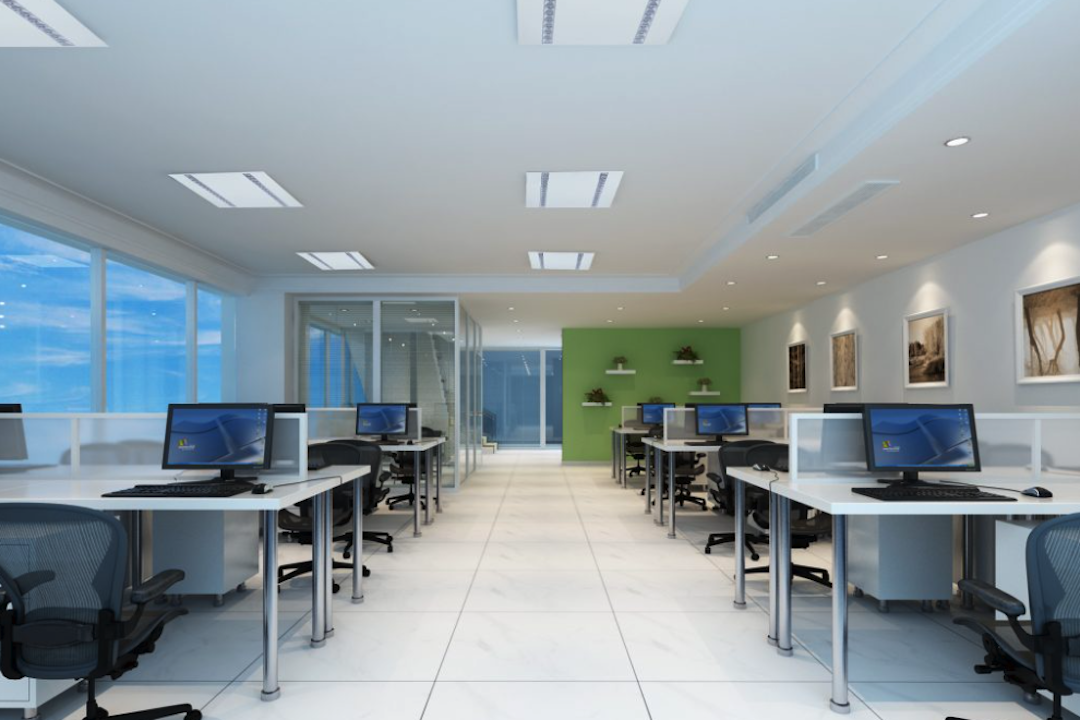
Beyond their functional benefits, ultra thin square LED panels contribute significantly to the modern aesthetic of office spaces. Their sleek design and adaptability make them a favored choice for contemporary architectural designs.
Slim Profile and Seamless Integration
- Minimalist Design: The “ultra thin” aspect of these panels allows them to blend almost seamlessly into ceilings, creating a clean, uncluttered look. This eliminates the bulkiness often associated with older fluorescent troffers.
- Various Installation Options: They can be recess-mounted, surface-mounted, or suspended, offering designers flexibility in how they are integrated into a space. This adaptability allows for customized lighting schemes that cater to specific architectural features or functional requirements.
Tunable White and Dimming Capabilities
Some advanced LED panels offer tunable white technology, allowing users to adjust the color temperature from warm white (e.g., 2700K) to cool white (e.g., 6500K). This flexibility can be used to simulate natural daylight cycles, supporting circadian rhythms, or to adjust the ambiance for different tasks or times of day. Dimming capabilities further enhance versatility, allowing for precise control over light levels and additional energy savings.
Installation Methods and Considerations
The installation of ultra thin square LED panel lights is relatively straightforward but requires careful consideration of the chosen mounting method and adherence to safety standards. Different installation techniques offer varying aesthetic outcomes and practical advantages.
Recessed Installation
Recessed installation is a common and popular method for ultra thin LED panels, particularly in office environments with suspended grid ceilings. This method provides a clean, flush finish where the light fixture sits within the ceiling structure, creating a seamless appearance.
T-Bar Grid Ceilings
- Direct Replacement: In structures with standard T-bar grid ceilings (often referred to as drop ceilings), LED panels are designed to directly replace existing fluorescent troffers. The panel simply sits within the grid, supported by the ceiling suspension system.
- Safety Clips: For added security, especially in earthquake-prone areas or where building codes require it, safety clips can be used to fasten the panel to the ceiling grid, preventing accidental dislodgement.
- Driver Placement: The external LED driver is typically placed in the ceiling plenum above the panel, ensuring it is accessible for maintenance but concealed from view.
Surface Mounted Installation
For ceilings that do not feature a suspended grid system, such as concrete slabs or plasterboard ceilings without a cavity, surface-mounted installation is the preferred option. This method involves attaching the panel directly to the ceiling surface using a specialized frame.
Surface Mount Kits
- Frame Assembly: A surface mount kit consists of a metal frame that is first screwed onto the ceiling. The LED panel then slides into this frame, and often a final piece of the frame is attached to secure the panel.
- Cable Management: Careful attention must be paid to cable management to ensure a neat appearance, as the power cable will need to enter the frame from the ceiling or wall.
- Aesthetic Impact: While not as seamlessly integrated as recessed panels, high-quality surface mount kits can still provide a clean and modern look.
Suspended Installation
Suspended installation involves hanging the LED panel from the ceiling using adjustable suspension wires or cables. This method is often chosen for aesthetic reasons, to create a specific lighting effect, or in spaces with very high ceilings where ambient light is needed closer to the workspace.
Suspension Kits
- Adjustable Cables: Suspension kits typically include four steel wires that attach to the corners of the panel and an anchor point in the ceiling. The length of these wires can be adjusted to set the desired hanging height.
- Power Supply Integration: The power cable for the panel is often integrated into one of the suspension wires or run alongside it for a tidy appearance.
- Architectural Feature: Suspended panels can act as a prominent design element, particularly when paired with modern architectural styles or used to define specific zones within an open-plan office.
Technical Specifications and Selection Criteria
When selecting ultra thin square LED panel lights for an office environment, a detailed understanding of their technical specifications is crucial. These metrics directly correlate with performance, efficiency, and suitability for specific applications.
Lumen Output (Brightness)
Lumen output, measured in lumens (lm), quantifies the total amount of visible light emitted by the panel. This is a primary factor in determining if a panel is bright enough for a given space and task.
Lumens Per Watt (Efficacy)
- Energy Efficiency Indicator: Lumens per watt (lm/W) indicates the panel’s luminous efficacy – how efficiently it converts electrical power into light. A higher lm/W value signifies better energy efficiency. For office lighting, aiming for values above 100 lm/W is generally recommended.
- Calculating Required Lumens: The required lumen output for an office space depends on factors such as room size, ceiling height, task requirements, and desired illuminance levels (measured in lux). Consulting lighting design guides or professionals can help determine appropriate lumen requirements.
Color Temperature (CCT)
Color temperature, measured in Kelvin (K), describes the perceived “warmth” or “coolness” of the light emitted by the panel. Different color temperatures evoke different moods and are suitable for different tasks.
Common CCTs for Offices
- 3500K (Neutral White): Often considered a good balance, offering comfortable and productive light without being too warm or too cool.
- 4000K (Cool White): A popular choice for general office areas and task lighting, providing alert and focused illumination, similar to midday natural light. It can enhance concentration.
- 5000K-6000K (Daylight White): Mimics natural daylight and is sometimes used in specific environments requiring high visual clarity or for boosting alertness, though it can feel harsh in some settings.
Color Rendering Index (CRI)
The Color Rendering Index (CRI) is a quantitative measure of a light source’s ability to reveal the colors of various objects faithfully in comparison with a natural light source. CRI is a scale from 0 to 100, with 100 being the highest accuracy.
Importance in Office Settings
- Visual Accuracy: For offices where accurate color perception is important (e.g., design firms, printing houses, retail offices), a high CRI (typically >80 or even >90) is essential.
- Natural Appearance: Even in general office environments, higher CRI lighting makes people and objects appear more natural and vibrant, contributing to a more pleasant and comfortable workspace.
Dimmability and Control Systems
The ability to control light levels and color temperature adds significant flexibility and efficiency to office lighting.
Driver Compatibility
- Dimmable Drivers: Ensure that the LED panel is equipped with a dimmable driver if dimming functionality is desired. Common dimming protocols include 0-10V, DALI (Digital Addressable Lighting Interface), and Triac dimming.
- Smart Lighting Integration: Many modern LED panels can be integrated with smart lighting control systems, allowing for automated dimming, scheduling, and scene setting, which can optimize energy use and user comfort.
Lifespan and Warranty
The lifespan of an LED panel is typically expressed in L70 hours, indicating the number of operational hours after which the light output has degraded to 70% of its initial lumen output.
Longevity and Investment Protection
- L70 Rating: A typical lifespan for quality LED panels is 50,000 hours (L70). Considering standard office hours, this translates to many years of maintenance-free operation.
- Manufacturer’s Warranty: A robust warranty (e.g., 3-5 years) from the manufacturer provides assurance regarding the product’s quality and reliability. This protects your investment against premature failure.
Maintenance and Longevity
The inherent design of ultra thin square LED panel lights contributes to their generally low maintenance requirements. However, understanding proper care can further extend their operational lifespan and ensure consistent performance.
Cleaning
Regular, gentle cleaning of the diffuser surface is often the primary maintenance task.
Cleaning Procedures
- Dust Accumulation: Over time, dust can accumulate on the diffuser, slightly reducing light output. Use a soft, dry, or slightly damp cloth to wipe the surface.
- Avoid Harsh Chemicals: Do not use abrasive cleaners or harsh chemical solvents, as these can damage the diffuser material (e.g., cause hazing or cracking) or react with the anti-glare coatings. A mild soap and water solution is generally sufficient if more extensive cleaning is needed.
- Safety First: Always disconnect power to the fixture before cleaning.
Driver Replacement
While LED drivers are designed for long-term operation, they are typically the most vulnerable component in an LED fixture due to their electronic complexity.
Identifying Driver Failure
- Symptoms: Signs of a failing driver include flickering, inconsistent light output, complete failure of the panel to light up, or unusual buzzing noises.
- Modular Design: Many ultra thin LED panels have external drivers, which simplifies replacement if required. Ensure that any replacement driver matches the voltage, current, and wattage specifications of the original. This is a task best performed by a qualified electrician.
Thermal Management Considerations
Effective thermal management is crucial for the longevity of LED chips. The aluminum frame acts as a heat sink, dissipating heat away from the LEDs.
Ensuring Airflow
- Ventilation: In recessed installations, ensure that the ceiling void allows for adequate airflow around the panel. Obstruction of airflow can lead to heat buildup and a premature reduction in LED lifespan. Avoid placing insulation directly against the panel’s frame unless specified by the manufacturer’s instructions for IC-rated (Insulation Contact) luminaires.
- Ambient Temperature: While designed to operate within a specific temperature range, continuous exposure to very high ambient temperatures can accelerate LED degradation. Consider the thermal environment of the office space.
End of Life and Recycling
At the end of their operational life, ultra thin LED panel lights should be disposed of responsibly.
Environmental Considerations
- Recycling Programs: Many components of LED panels, particularly the aluminum frame and certain plastics, are recyclable. Research local electronic waste (e-waste) recycling programs or facility management guidelines to ensure proper disposal.
- Reduced Waste: The long lifespan of LED panels inherently contributes to less waste generation compared to shorter-lived lighting technologies.
By understanding these aspects, one can ensure that the investment in ultra thin square LED panel lights provides its full intended benefits in terms of performance, efficiency, and longevity within the office environment.