
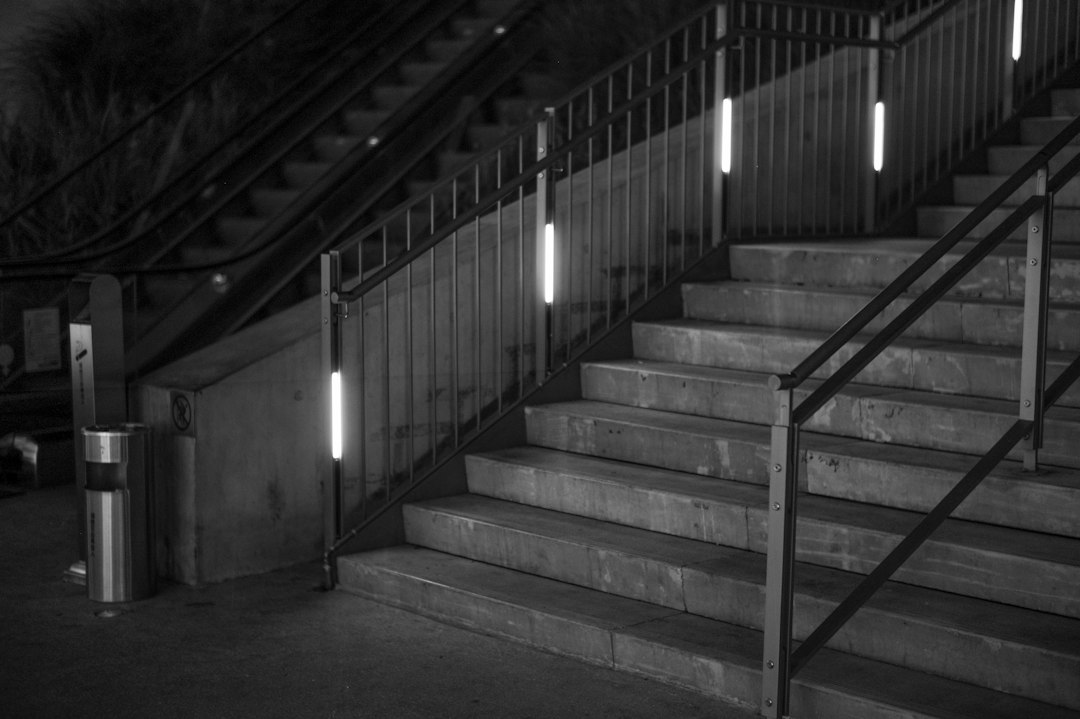
Stair Sensor Light Price & Budget Guide: Find Affordable Options
Getting sensor lights for your stairs doesn’t have to break the bank. You can absolutely find affordable options that are both practical and reliable, providing that convenient hands-free illumination without stretching your budget. This guide will walk you through what influences the cost, where to find good deals, and how to make smart choices for your home.
Understanding the Cost Factors of Stair Sensor Lights
The price of stair sensor lights can vary quite a bit, and it’s helpful to understand why. Several key elements play a role in how much you’ll end up paying. Knowing these factors will empower you to make more informed decisions and pinpoint where you can potentially save money without sacrificing essential functionality. It’s not just about the brand; it’s about the technology, the installation, and the features packed into those little lights.
Type of Sensor Technology
The kind of sensor used is a major price determinant. Different technologies offer varying levels of accuracy, range, and power consumption, all of which impact the manufacturing cost and, consequently, the retail price.
Passive Infrared (PIR) Sensors
PIR sensors are by far the most common and, generally, the most affordable option. They work by detecting changes in infrared radiation, which is emitted by body heat. When a person walks into the sensor’s field of view, the change in temperature triggers the light. They are reliable for most domestic applications and are a go-to for budget-friendly setups. Their simplicity keeps costs down, making them a great entry point for sensor lighting.
Microwave Sensors
These sensors emit low-power microwave signals and detect changes in the reflected signal caused by movement. They are more sensitive than PIR sensors and can detect movement through thin walls or non-metallic objects. This enhanced capability often comes with a higher price tag. While more versatile, their cost might not be justified for a simple stair lighting application unless you have specific needs, like detection around a corner before someone is fully visible.
Photoelectric (Ambient Light) Sensors
Often combined with PIR or microwave sensors, photoelectric sensors detect the ambient light levels. They ensure the lights only turn on when it’s dark enough, preventing them from activating unnecessarily during the daytime. While some basic models might have a simple “dusk till dawn” function integrated, more sophisticated ones can be calibrated to specific lux levels. Adding this feature usually adds a small increment to the overall cost, but it can lead to energy savings over time.
Power Source and Installation Complexity
How the lights get their power and how they need to be installed are significant cost considerations. Self-contained, battery-powered units will differ greatly in price and long-term cost from hardwired systems that require an electrician.
Battery-Powered Options
These are typically the cheapest upfront. They are super easy to install, often just peel-and-stick or magnetic, requiring no wiring. This eliminates installation costs. However, you’ll have ongoing costs for batteries, which can add up, especially if the lights are triggered frequently. Rechargeable batteries can mitigate this, but they represent an initial investment. The trade-off is convenience versus long-term battery expense.
USB Rechargeable Lights
A step up from standard battery-powered, these often use internal lithium-ion batteries that you can recharge via a USB cable. They offer the convenience of no wiring and no continuous battery purchases, making them a popular mid-range option. The initial cost might be slightly higher than disposable battery models, but they save money in the long run and are more environmentally friendly.
Hardwired Systems
These lights are connected directly to your home’s electrical system. They offer continuous, reliable power and often brighter illumination. However, their initial cost is significantly higher due to the need for professional installation by an electrician, especially if new wiring needs to be run. This is a more permanent solution, often integrated into new builds or major renovations. While the upfront cost is higher, there are no ongoing battery expenses.
Brightness and Light Quality
The intensity of the light and the quality of its output also play a role in pricing. Brighter lights often mean more LEDs or higher-quality LED components, which can increase the cost.
Lumens and Wattage
Higher lumen output (brightness) generally means a higher price. If you need very bright illumination for safety, you’ll likely pay more than for softer, ambient lighting. Wattage is less of a direct indicator of brightness for LEDs, but broadly, more powerful lights consume more energy and might cost more.
Color Temperature (Kelvin)
While not a huge cost factor for basic models, lights offering specific color temperatures (e.g., warm white, cool white, daylight) or even color-changing (RGB) capabilities can be more expensive. Warm white (2700K-3000K) is often preferred for stairs for a cozy feel, while cool white (4000K-5000K) offers brighter, more task-oriented light. RGB options, while fun, are usually on the higher end due to the more complex LED drivers.
Design and Material Quality
The aesthetic and durability of the light fixture itself contribute to its price. A sleek design or robust materials will naturally cost more than basic plastic.
Housing Materials
Lights made from durable materials like aluminum, stainless steel, or high-grade ABS plastic will be more expensive than those made from basic, thinner plastics. Metal housings offer better heat dissipation, which can extend the life of the LEDs, and are more resilient to wear and tear.
Aesthetics and Form Factor
Designer lights or those with very slim profiles, unique shapes, or integrated into stair nosings can command a premium. Basic, utilitarian designs are typically more affordable. If you’re looking for something that blends seamlessly with modern decor, expect to pay a bit more.
Budgeting for Your Stair Sensor Lights
Setting a realistic budget is crucial for finding affordable stair sensor lights without compromising on your needs. It helps you narrow down your choices and avoid overspending. Remember that “affordable” means different things to different people, so align your budget with your specific requirements and expectations.
Defining Your Needs vs. Wants
Before you even look at prices, make a list of what you absolutely need and what would be nice to have. This exercise helps you prioritize features and understand where you can compromise to save money.
Essential Features
- Reliable motion detection: The light needs to turn on when someone is on the stairs.
- Sufficient brightness for safety: It should illuminate the stairs enough to prevent trips and falls.
- Appropriate power source: Does it need to be battery-powered for easy installation, or can you hardwire it?
- Suitable detection range: Does it cover the entire stairwell effectively?
Desirable Features (Nice-to-Haves)
- Ambient light sensor: To save battery/energy during the day.
- Adjustable brightness/delay: More control over how the light behaves.
- Specific color temperature: To match existing decor or personal preference.
- Sleek design: Aesthetically pleasing rather than purely functional.
- Remote control capability: For advanced systems, allowing manual override.
By separating these, you can easily identify where to cut costs. If a “nice-to-have” feature pushes you over budget, you know it’s a candidate for removal.
Establishing a Price Range
Once you have your needs sorted, you can start thinking about a realistic price range. This range will vary wildly depending on the type of system you choose.
Entry-Level (Under $15-$20 per light)
This segment typically includes basic, battery-powered (often AAA/AA) PIR sensor lights. They are usually made of plastic, offer basic brightness, and are designed for quick, temporary installation. You might find multi-packs at a lower per-unit cost here. These are excellent for renters or those wanting a very low-cost, low-commitment solution. Expect limited features and potentially less robust build quality.
Mid-Range ($20-$50 per light)
In this category, you’ll find USB rechargeable options, some slightly higher-quality battery units, or simpler hardwired fixtures (though hardwired typically involves separate installation costs). Materials might be slightly better (e.g., aluminum alloy), and you might get basic features like an ambient light sensor or adjustable delay. This is often the sweet spot for many homeowners looking for a good balance of cost and performance.
Higher-End ($50+ per light, excluding professional installation)
This segment includes more advanced hardwired systems, premium designs, smart home integration, or specialized features like multi-zone detection or customizable lighting patterns. Materials will be robust, and the overall aesthetic will be more refined. While these can be more expensive, they often offer superior durability, efficiency, and integration capabilities. If considering hardwired, remember to factor in potential electrician fees, which can easily add hundreds of dollars to the total project cost.
Considering Long-Term Costs
Don’t just look at the upfront purchase price. Factor in the ongoing expenses to get a true picture of affordability.
Battery Replacements
For disposable battery lights, calculate how often you’ll need to replace them and the cost of those batteries over a year or two. High-traffic stairs mean more frequent replacements. This can surprisingly add up, making a slightly more expensive USB rechargeable unit a better long-term value.
Energy Consumption
For hardwired lights, consider their energy efficiency. LED lights are generally very efficient, but even minor differences can impact your electricity bill over years of use. Lights with ambient light sensors reduce energy consumption by not turning on during daylight hours.
Durability and Lifespan
Cheaper lights might have a shorter lifespan. A light that costs half as much but only lasts a quarter of the time isn’t a good deal. Look for good reviews regarding durability and reliability. Higher quality LEDs and components generally last longer, reducing the need for premature replacements.
Where to Find Affordable Stair Sensor Lights
Once you have your budget and feature list, it’s time to go shopping. There are several places, both online and in brick-and-mortar stores, where you can find great deals on stair sensor lights. Each avenue has its pros and cons, especially when it comes to variety, price, and customer support.
Online Retailers
Online marketplaces are often the first stop for many shoppers due to their vast selection and competitive pricing. You can compare countless options from various brands without leaving your home.
Amazon
Amazon is a powerhouse for consumer electronics, including stair sensor lights. You’ll find a massive range from budget-friendly multi-packs to more sophisticated systems.
- Pros: Huge selection, competitive prices, frequent deals/discounts, customer reviews for research, easy returns.
- Cons: Can be overwhelming, quality can vary greatly between sellers, potential for counterfeit products if not careful.
- Tips: Filter by price, read customer reviews carefully (especially 3-star ones for balanced opinions), check seller ratings, and look for “Amazon’s Choice” or “Best Seller” labels as a starting point. Often, you can find multi-packs (e.g., 6 or 10 lights) for a much lower per-unit cost, which is great for covering a full set of stairs.
eBay
For slightly used, open-box, or clearance items, eBay can be a treasure trove. You might also find smaller brands or direct-from-manufacturer deals here.
- Pros: Potential for very low prices on auctions or “Buy It Now” deals, unique or harder-to-find items.
- Cons: Less consistent stock, returns can be trickier depending on the seller, potential for no warranty.
- Tips: Use specific search terms, check seller feedback religiously, and understand the return policy before bidding or buying.
AliExpress / Alibaba
These platforms are excellent for buying directly from manufacturers or wholesalers, especially if you’re willing to wait for shipping from overseas.
- Pros: Extremely low prices, especially for bulk purchases, vast product range.
- Cons: Long shipping times, potential for quality control issues, customer service can be challenging, returns are difficult.
- Tips: Best for those comfortable with longer shipping and a bit more risk. Order a small quantity first to test quality before committing to a larger purchase. Always check seller ratings and product reviews.
Home Improvement Stores
Local hardware and home improvement stores offer the advantage of seeing products in person and getting immediate assistance.
Home Depot / Lowe’s
These big box stores carry a good selection of lighting solutions, including some sensor lights. They tend to stock reputable brands.
- Pros: Can see products physically, immediate purchase, knowledgeable staff (sometimes), easier returns, often carry established brands with warranties.
- Cons: Less variety than online, prices might be slightly higher than online-only retailers.
- Tips: Check their websites before visiting to see what’s in stock and if there are any online-exclusive deals that you can price match in-store. Look for end-of-season sales or clearance sections.
Local Hardware Stores
Smaller, independent hardware stores might have a more curated selection and offer personalized advice.
- Pros: Personalized service, supporting local businesses, staff often have practical experience.
- Cons: Limited selection, potentially higher prices.
- Tips: Great for getting advice on installation or specific product recommendations if you’re unsure.
Discount Stores and Warehouses
These stores are hit-or-miss but can offer incredible value if you find what you’re looking for.
Costco / Sam’s Club
Warehouse clubs occasionally carry multi-packs of sensor lights, often from reputable brands, at a good bulk discount.
- Pros: Excellent value for multi-packs, usually good quality for the price, strong return policies.
- Cons: Limited and unpredictable stock, requires a membership.
- Tips: Check their seasonal aisle or general lighting section. If you see a good deal, grab it, as it might not be there next time.
Discount Retailers (e.g., Marshalls, TJ Maxx, Big Lots)
You might occasionally find sensor lights here, often brand-name overstock or clearance items.
- Pros: Very low prices, potential for surprising finds.
- Cons: Highly inconsistent stock, no guarantee of finding what you need, limited product information.
- Tips: Best for a casual browse; don’t rely on them for a specific purchase.
Smart Shopping Strategies for Savings
Finding affordable stair sensor lights isn’t just about knowing where to look; it’s also about employing smart shopping strategies. A little bit of research and patience can go a long way in securing the best deal.
Compare Prices Across Retailers
This might seem obvious, but it’s often overlooked. Don’t just settle for the first good deal you see.
Using Price Comparison Websites
Websites like Google Shopping, PriceGrabber, or CamelCamelCamel (for Amazon price history) can help you quickly see where a particular model is cheapest. For CamelCamelCamel, you can even see if the current price is a good deal compared to its historical low.
Checking Manufacturer Websites
Sometimes manufacturers offer special promotions or bundles directly on their own websites, especially during holidays. It’s worth a quick check, though they often direct you to their authorized retailers.
Read Reviews and Do Your Homework
A “cheap” light that fails quickly isn’t affordable in the long run. Invest time in research.
Focusing on Quality and Durability
Look for consistent positive reviews about a product’s lifespan and how well it holds up over time. Pay attention to common complaints. A light with a few dollars more upfront that lasts for years will be more affordable than a very cheap one you have to replace annually.
Understanding Features and Limitations
Ensure the sensor’s detection range and angle are suitable for your stairwell. Some sensors are very narrow; others have a wide field of view. Confirm the “light on” duration (how long it stays on after motion) is adjustable if that’s important to you. Sometimes the cheapest options have fixed, short durations which can be annoying.
Look for Bundles and Multi-Packs
Stairs often require multiple lights to provide adequate illumination. Buying in bundles almost always saves money per unit.
Bulk Discounts
Many online retailers and even some physical stores offer significant discounts when you purchase multi-packs (e.g., 3-pack, 6-pack, or even 10-pack). If you have a long staircase or multiple areas where you want sensor lights, this is a highly effective way to reduce the per-light cost.
Kits with Accessories
Some bundles might include charging cables, mounting hardware, or even rechargeable batteries, which can be an added saving if you would have purchased those separately.
Take Advantage of Sales and Promotions
Timing your purchase can lead to substantial savings.
Seasonal Sales
Keep an eye out for major sales events like Black Friday, Cyber Monday, Prime Day, or end-of-season clearances. Lighting products are frequently discounted during these periods.
Coupon Codes and Email Subscriptions
Before making a purchase, do a quick search online for coupon codes for the retailer. Many stores also offer a discount (e.g., 10-15% off) for signing up for their email newsletter, which can be quickly unsubscribed from later if you wish.
Consider Generic or Lesser-Known Brands
While big brands offer assurance, smaller or generic brands can provide excellent value.
Reputable Smaller Brands
Many smaller brands specialize in specific products like LED lighting and offer comparable quality to larger brands at a lower price point, as they have less overhead and marketing costs. Look for those with consistently good reviews.
OEM (Original Equipment Manufacturer) Products
Sometimes, generic products are actually made by the same factories that produce for big brands, just without the branding markup. Again, rely heavily on reviews to vet these.
Installation and Maintenance for Longevity
The initial purchase price is just one part of the equation. Proper installation and ongoing maintenance are crucial for ensuring your stair sensor lights last as long as possible, truly making them an affordable investment. Neglecting these aspects can lead to premature failure and additional costs down the line.
Correct Placement for Optimal Performance
Where you place your sensor lights significantly impacts their effectiveness and energy efficiency. Poor placement can lead to false triggers, missed detections, or wasted battery life.
Sensor Field of View
Understand the detection angle and range of your specific light. PIR sensors typically have a conical or fan-shaped detection pattern. Place them so that the expected path of movement (up or down the stairs) crosses this field, rather than moving directly towards or away from the sensor, which can reduce sensitivity.
Height and Orientation
Mount lights at a height that effectively detects movement without being too high to miss small children or too low to be easily bumped. Often, about halfway up the wall on either side of the stairs, or integrated into the risers, works well. Experiment with the angle to ensure the sensor isn’t pointed at heat sources (like vents) or high-traffic areas outside the stairwell to prevent false triggers.
Avoiding Obstructions
Ensure the sensor has a clear line of sight. Objects like furniture, plants, or even bulky handrails can block the sensor’s view, leading to missed activations.
Battery Management and Care
For battery-powered lights, proper battery management is key to maximizing lifespan and minimizing ongoing costs.
Using High-Quality Batteries
Invest in good quality alkaline batteries for disposable units, or reputable brands for rechargeable ones. Cheap batteries can leak, damage the contacts, and offer poor performance. For rechargeable units, use the manufacturer-recommended type (usually NiMH or specific Li-ion).
Regular Recharging/Replacement Schedule
Don’t wait until the lights completely die. For rechargeable units, establish a routine to charge them every few weeks or months, depending on usage. For disposable batteries, replace them as soon as you notice dimming or inconsistent performance.
Proper Battery Storage
If you have spare batteries, store them in a cool, dry place. Avoid extreme temperatures. For rechargeable units, if they’re going to be stored for a long time, ensure they have a partial charge (around 50-70%) to maintain battery health.
Cleaning and Environmental Considerations
Keeping the lights clean and protecting them from harsh conditions will extend their life.
Sensor Cleaning
Dust and grime can accumulate on the sensor lens, reducing its sensitivity. Gently wipe the sensor lens periodically with a soft, dry cloth. Avoid abrasive cleaners.
Light Housing Cleaning
Similarly, keep the light’s housing clean. For lights in high-traffic areas, they might get smudged or dirty. A damp cloth can usually take care of this.
Temperature and Humidity
Most indoor stair sensor lights are not designed for extreme temperatures or high humidity. Ensure they are used within their specified operating temperature range. While stairs are typically indoors, consider areas near uninsulated walls or in basements where temperature fluctuations or dampness might be an issue. If condensation is a concern, consider lights with higher IP (Ingress Protection) ratings, although these are typically more expensive and usually meant for outdoor use.
Firmware Updates (for Smart Lights)
If you opt for smart stair sensor lights that connect to Wi-Fi or a hub, pay attention to firmware updates.
Staying Updated
Manufacturers often release firmware updates to improve performance, fix bugs, or add features. Keeping your devices updated ensures they are running optimally. This is less common for basic, standalone sensor lights but crucial for integrated smart home systems.
Troubleshooting
If you encounter issues with a smart light, checking for and installing the latest firmware is often the first troubleshooting step recommended by manufacturers. This can save you from unnecessary replacements or service calls.