Pure White Milk Glass Light: Clean Aesthetic
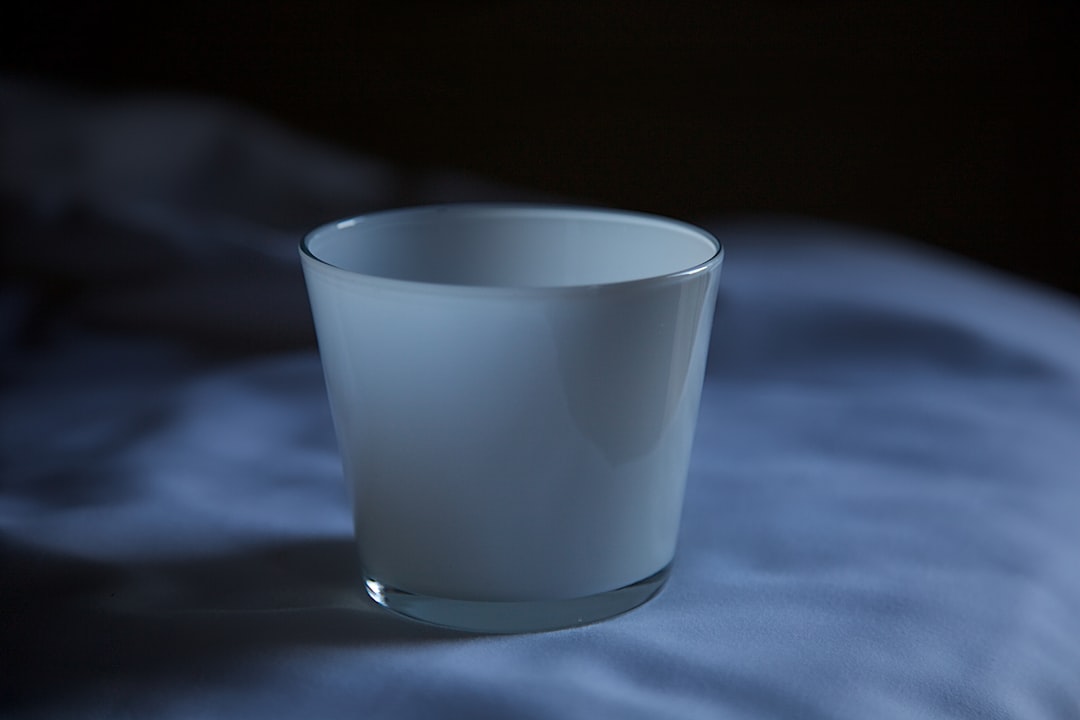
Milk glass, a vitreous material characterized by its opaque, milky-white appearance, represents a distinct aesthetic in lighting design. Its historical applications and contemporary interpretations demonstrate a persistent relevance in various architectural and interior contexts. This material’s visual properties, notably its ability to diffuse light evenly and obscure the light source, contribute to its enduring appeal and functional utility.
The origins of milk glass can be traced to 16th-century Venice, where early forms were produced as an imitation of porcelain, then a highly prized and expensive commodity. This initial phase involved the use of tin or lead oxides to achieve the characteristic opacification. Venetian glassmakers, renowned for their innovative techniques, laid the groundwork for the more widespread adoption of milk glass in subsequent centuries.
Venetian Origins and Early Imitations
During the Renaissance, the art of glassmaking flourished on Murano, an island near Venice. Glassmakers experimented with various compounds to replicate materials like ceramics and precious stones. White opaque glass, or “lattimo,” emerged from these experiments, primarily driven by economic considerations. Porcelain, imported from China, commanded high prices, making local imitations a commercially attractive proposition. These early forms of milk glass were often molded or blown into intricate shapes, mimicking the elaborate designs found in ceramic wares of the period. The initial use was predominantly for decorative objects, including vases, bowls, and drinking vessels, rather than lighting fixtures.
19th-Century Expansion and Industrialization
The 19th century witnessed a significant expansion in the production and application of milk glass. The industrial revolution facilitated more efficient manufacturing processes, making milk glass more accessible and affordable. This period saw experimentation with different opacifying agents and production techniques. The shift from primarily decorative items to more utilitarian objects, including lighting components, began to take root.
- Technological Advancements: New glass formulas and manufacturing techniques, such as pressing and automated blowing, allowed for mass production. This reduced costs and increased the material’s availability to a wider market.
- Application in Lighting: The diffusion properties of milk glass became increasingly recognized as beneficial for electric lighting, which began to emerge in the late 19th century. Early electric light bulbs produced a harsh, unshielded glare. Milk glass shades provided a practical solution, softening the emitted light and reducing direct visual discomfort.
Art Nouveau and Art Deco Influences
The early 20th century saw milk glass integrated into prominent design movements like Art Nouveau and Art Deco. These movements, characterized by their emphasis on craftsmanship and aesthetic innovation, found milk glass to be a versatile material.
- Art Nouveau Organic Forms: In Art Nouveau, milk glass was often shaped into organic, flowing forms, reflective of natural motifs such as flowers, leaves, and flowing lines. The material’s smooth, uniform surface lent itself well to these curvilinear designs, allowing light to emanate softly from within.
- Art Deco Geometric Simplicity: Art Deco, in contrast, favored geometric patterns and streamlined forms. Milk glass was used in conjunction with chrome and other metals to create sleek, modern lighting fixtures. Its unornamented surface complemented the emphasis on clean lines and functional elegance that defined the Art Deco aesthetic. These fixtures often served as focal points in public buildings and private residences, embodying the era’s sophisticated modernity.
Material Properties and Light Diffusion
The distinct visual character of milk glass is a direct result of its unique material properties. Its opacification, achieved through the inclusion of specific chemical compounds, is central to its functionality in lighting applications. This opaqueness is not merely an aesthetic choice but a functional attribute that dictates how light interacts with and passes through the material.
Opacifying Agents and Composition
The opacity of milk glass is primarily achieved by introducing microscopic particles into the glass matrix. These particles, typically fluorides or phosphates, scatter light as it passes through the material, preventing a clear view of the light source and distributing illumination more broadly.
- Fluorides: Compounds like calcium fluoride (CaF2) or sodium fluoride (NaF) are commonly used. When added to the molten glass batch, these compounds form tiny, immiscible crystals upon cooling. These crystals act as scattering centers, diverting light rays in multiple directions.
- Phosphates: Aluminum phosphates (AlPO4) or calcium phosphates (Ca3(PO4)2) can also be employed. Similar to fluorides, these create a dispersed phase within the glass, which interrupts the direct path of light.
- Other Additives: Historically, tin dioxide (SnO2) or arsenic compounds were also used, particularly in earlier formulations. However, later formulations often opted for less toxic alternatives. The specific agents and their concentration influence the degree of opacity and the exact shade of white.
Scattering and Translucency
While milk glass is opaque, it is also translucent. This distinction is crucial for its lighting applications. Opacity prevents transparency, meaning you cannot see through the object. Translucency, however, allows light to pass through, albeit diffused.
- Microscopic Scattering: When light rays encounter the embedded particles within the milk glass, they undergo scattering. Instead of passing straight through, the light is reflected and refracted in various directions. This process ensures that the light emitted from the shade is not concentrated but spread out over a larger area.
- Even Illumination: This scattering effect results in a remarkably even distribution of light. The harsh glare of a bare bulb is completely eliminated, replaced by a softer, more uniform radiance. This property is particularly valuable in environments where direct brightness is undesirable, such as reading areas or ambient lighting schemes. The illuminated space benefits from a gentle glow rather than harsh, localized hotspots of light.
Visual Absence of the Light Source
One of the most significant functional advantages of milk glass in lighting is its ability to entirely obscure the light source. This is not merely an aesthetic preference but a practical consideration in many lighting designs.
- Glare Reduction: Unshielded light sources, especially modern high-lumen LEDs or older incandescent bulbs, can produce significant glare. This glare can cause visual discomfort, eye strain, and distract from the overall environment. Milk glass acts as a natural diffuser, mitigating this issue effectively.
- Aesthetic Integration: By concealing the bulb, milk glass allows the light fixture itself to become the primary aesthetic element. The focus shifts from the internal mechanism to the external form and the quality of the light emitted. This contributes to a cleaner, less cluttered visual appearance, aligning with minimalist design philosophies. The light source becomes a hidden engine, its presence suggested only by the gentle emanations that shape the space.
Design Aesthetic: The Clean Aesthetic
The “clean aesthetic” associated with milk glass lighting transcends fleeting trends, establishing itself as a consistent presence in interior design. This aesthetic is characterized by simplicity, clarity, and an uncluttered visual language. Milk glass, with its understated elegance and functional directness, aligns perfectly with these principles.
Simplicity and Minimalism
At the core of the clean aesthetic is a commitment to simplicity. Milk glass lighting embodies this through its unadorned surfaces and often restrained forms.
- Uncluttered Visuals: Unlike ornate or highly textured lighting fixtures, milk glass designs typically feature smooth, uniform surfaces. This lack of visual complexity contributes to an uncluttered environment, allowing other design elements to gain prominence without competition. The fixture is present but not visually demanding.
- Neutrality and Versatility: White milk glass, by its very nature, is a neutral element. It does not introduce competing colors or patterns into a space, making it exceptionally versatile. It can integrate seamlessly into a wide range of interior styles, from traditional to contemporary, without clashing or overwhelming the existing decor. It allows other elements, such as wall colors or furniture, to define the room’s character. Milk glass acts as a quiet facilitator of the overall design intent.
Visual Calm and Serenity
The diffused light emitted by milk glass fixtures contributes significantly to a sense of calm and serenity within a space. This is a primary driver for its selection in environments where relaxation and clear-headedness are valued.
- Gentle Illumination: The light passing through milk glass is softened and evenly distributed. This eliminates harsh shadows and abrupt transitions in light, creating a visually soothing atmosphere. It is the antithesis of directional, high-contrast lighting.
- Absence of Harshness: Direct, bright light can be stimulating, even jarring. Milk glass, by filtering and diffusing this intensity, creates an environment that encourages repose rather than alertness. This makes it suitable for bedrooms, living rooms, and contemplative spaces. Consider it as a veil, softening the sun’s intensity into a gentle, embracing glow.
Harmony with Diverse Interiors
The versatility of milk glass lighting extends to its ability to complement and enhance a broad spectrum of interior design themes. It acts as a unifying element rather than a distinctive stylistic statement.
- Contemporary Spaces: In modern and contemporary designs, milk glass fixtures often feature minimalist forms like spheres, cylinders, or simple geometric shapes. Their clean lines and lack of ornamentation align with the sleekness of modern furniture and architectural elements.
- Traditional Settings: In more traditional or transitional interiors, milk glass can be integrated into classic pendant shapes, or as part of more decorative fixtures with understated metalwork. Its timeless quality ensures it does not feel out of place among antique furnishings or classic architectural details.
- Industrial and Eclectic Mixes: Even in industrial-inspired spaces, milk glass can provide a necessary counterpoint to rugged materials like exposed brick or metal. Its softness can balance the raw edges of industrial design. In eclectic interiors, it can serve as a calming constant amidst a mix of styles and periods, providing a subtle anchor.
Functional Applications and Placement
The functional attributes of milk glass, particularly its light diffusion properties, make it suitable for a variety of lighting applications. Its versatility in form and size allows for strategic placement within diverse environments, addressing specific lighting needs while maintaining aesthetic consistency.
Ambient Lighting
Milk glass excels in providing ambient lighting, which is the primary source of illumination in a room. Its ability to create uniform, widespread light is key to this function.
- General Illumination: Pendant lights, flush mounts, and chandeliers with milk glass shades effectively illuminate entire rooms, offering a comfortable baseline of light. The diffused light avoids bright spots and dark corners, ensuring a consistent level of brightness throughout a space.
- Soft Glow: In living rooms, dining areas, and bedrooms, milk glass fixtures provide a soft, enveloping glow rather than targeted illumination. This creates a relaxed and inviting atmosphere, conducive to comfort and conversation. It is akin to a gentle morning mist, softening the edges of the landscape.
Task Lighting (Diffused)
While direct, focused light is typically associated with task lighting, milk glass can play a role where a softer, broader diffusion is preferred or required to reduce glare.
- Work Surfaces: In certain office or studio environments, especially those involving computer screens or reflective surfaces, a highly focused task light can introduce uncomfortable glare. Milk glass desk lamps or pendants positioned over work areas can provide sufficient, yet diffused, light to illuminate tasks without creating harsh reflections.
- Kitchen Islands and Countertops: Over kitchen islands, milk glass pendants can offer ample light for food preparation without creating distracting hot spots on reflective countertop surfaces. The diffused light ensures that all areas of the workspace are evenly lit, improving visibility and reducing eye strain during prolonged tasks.
Decorative and Accent Lighting
Beyond primary functional illumination, milk glass light fixtures also serve as significant decorative elements, enhancing the aesthetic appeal of a space.
- Sculptural Forms: The smooth surface and uniform color of milk glass lend themselves to sculptural forms. Spheres, ovals, and other geometric shapes become illuminated sculptures when light passes through them, adding visual interest even when unlit.
- Highlighting Architectural Features: Smaller milk glass wall sconces or table lamps can be strategically placed to highlight architectural details, artwork, or specific areas of interest within a room. The gentle light draws attention without overwhelming the feature it illuminates. This is like a carefully placed spotlight, revealing rather than overpowering its subject.
Maintenance and Durability
Milk glass light fixtures, while possessing a delicate appearance, are generally recognized for their durability and reasonable ease of maintenance. Understanding the material’s characteristics is key to preserving its aesthetic and functional integrity over time.
Cleaning and Care
Routine cleaning is relatively straightforward for milk glass, primarily involving non-abrasive methods to preserve the surface.
- Dust and Fingerprints: For general maintenance, a soft, dry microfiber cloth is usually sufficient to remove dust and light fingerprints. Regular dusting prevents buildup that could dull the surface over time.
- Minor Stains: For more persistent smudges or light grime, a damp cloth with plain water or a mild, non-abrasive glass cleaner can be used. It is important to avoid harsh chemical cleaners or abrasive scrubbing pads, which can scratch or damage the glass surface. Prompt drying with a clean, soft cloth after cleaning will prevent water spots.
- Fixture Components: When cleaning, separate the glass shade from other fixture components (metalwork, wiring) if possible, to avoid accidental contact with cleaning solutions that might be detrimental to those materials. Ensure all components are dry before reassembly.
Longevity and Resistance
Milk glass, as a form of glass, exhibits characteristics that contribute to its long-term viability in lighting applications.
- Color Stability: Unlike some plastics or coated materials, the white color of milk glass is inherent to its composition. This means it is highly resistant to yellowing, fading, or discoloration over time, even with prolonged exposure to light or environmental factors. It retains its pure white aesthetic for decades.
- Heat Resistance: Glass, by nature, is heat resistant. This makes milk glass a suitable material for housing light bulbs, as it can withstand the heat generated by the light source without degrading or deforming. This is a critical factor for safety and durability in any lighting fixture.
- Brittle Nature: While durable, glass is inherently brittle. Milk glass, like other glass types, can chip, crack, or break if subjected to impact or sudden sharp temperature changes. Care must be taken during installation, cleaning, and handling. Any damage to the shade can compromise its aesthetic and, in some cases, its structural integrity within the fixture.
Replacement and Repair
In the event of damage, options for replacement and repair vary depending on the specific fixture.
- Shade Replacement: For many mass-produced fixtures, replacement milk glass shades might be available from the manufacturer or through specialized lighting parts suppliers. The universality of certain shapes (e.g., dome, sphere) often makes finding compatible replacements easier.
- Custom Fabrication: For antique or uniquely designed fixtures, custom glass blowing or fabrication might be necessary to replicate a damaged shade. This can be a more costly option but ensures the preservation of the original aesthetic.
- Professional Restoration: If the milk glass shade is part of a complex antique fixture, consultation with a professional lighting restorer may be advisable, especially if there are other damaged components or electrical issues. They can assess the feasibility of repair versus replacement and provide expertise on historical accuracy.