Pure White Milk Glass Light: Clean Aesthetic
The term “Pure White Milk Glass Light: Clean Aesthetic” refers to a design philosophy and material approach that prioritizes simplicity, clarity, and an uncluttered visual experience, primarily through the use of milk glass in lighting fixtures. This aesthetic is characterized by its ability to diffuse light evenly, minimize harsh shadows, and create a soft, inviting glow. It often manifests in contemporary and minimalist interior design, but its roots can be traced to historical applications of milk glass. Understanding this aesthetic requires an examination of milk glass itself, its historical context, its technical properties, and its impact on the built environment.
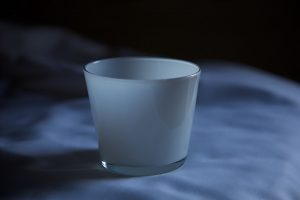
Milk glass, sometimes referred to as opaque glass or opaline glass, is a type of glass that exhibits an opaque white, or sometimes off-white, appearance. Its characteristic non-transparency is achieved through the addition of opacifying agents during the manufacturing process. These agents scatter light rather than allowing it to pass directly through, resulting in the milky, diffused quality that defines the material.
Opacifying Agents and Composition
Historically, various substances have been used to achieve milk glass’s opacity. Early methods often involved the inclusion of tin oxide, bone ash (calcium phosphate), or arsenic compounds. Modern milk glass production typically employs fluorine compounds, such as cryolite or fluorite, or tin dioxide. These additives are suspended in the molten glass mixture, creating a multitude of microscopic particles that refract and reflect light internally, preventing a clear view through the material.
The base glass composition is generally soda-lime glass, the most common type of glass. The precise ratio of opacifying agents and the thermal treatment during forming influence the final degree of opacity and the specific hue of white, which can range from a pure, brilliant white to a softer, more creamy off-white.
Manufacturing Processes
Milk glass is produced using standard glassmaking techniques, primarily blowing, pressing, or casting. Blown glass processes are used for intricate shapes and thin-walled objects, such as lamp shades or decorative vessels. Pressed glass involves forcing molten glass into molds, suitable for mass production of consistent shapes. Casting is employed for larger, more sculptural pieces. The properties of milk glass, particularly its increased viscosity due to the opacifying agents, require careful control of temperature and cooling rates during manufacturing to prevent internal stresses and ensure structural integrity.
Historical Context and Evolution
While the “Pure White Milk Glass Light: Clean Aesthetic” is a relatively modern concept in its articulation, the use of milk glass has a long and varied history, predating the advent of electric lighting. Its initial applications were often practical, evolving into decorative and eventually utilitarian lighting.
Early Uses and Decorative Arts
The earliest forms of opaque white glass can be traced to 16th-century Venice, where artisans experimented with “lattimo” glass, a precursor to modern milk glass. This material was prized for its resemblance to porcelain, which was an expensive import from the East. Lattimo was used to create decorative objects, tableware, and small sculptures. Its opaque nature provided a canvas for enameling and gilding, allowing for intricate ornamentation that would not be obscured by transparency.
During the 18th and 19th centuries, milk glass gained popularity across Europe and America. It was produced in various colors, but white remained prevalent due to its association with purity and its ability to imitate fine china. Common items included vases, dishes, and specialized containers. The shift towards mass production in the 19th century made milk glass more accessible, moving it from aristocratic homes to a broader consumer market.
Transition to Lighting: Gas and Early Electric
The inherent light-diffusing properties of milk glass made it a natural choice for lighting fixtures as illumination technology advanced. With the advent of gas lighting in the 19th century, milk glass shades became common. They reduced the harsh glare of gas flames and distributed light more evenly throughout a space, improving comfort and visibility.
As electric lighting became widespread in the early 20th century, milk glass found an even more prominent role. The bright, often intense incandescent bulbs of the era benefited significantly from the softening effect of milk glass. Early electric ceiling fixtures, wall sconces, and task lamps frequently incorporated milk glass shades or diffusers to create a more pleasant and functional illumination. This period saw the industrialization of milk glass lighting, with designs often reflecting the prevailing Art Deco and Streamline Moderne aesthetics, emphasizing clean lines and functional beauty.
Technical Aspects of Light Diffusion
The core appeal of milk glass in lighting lies in its unique interaction with light. This interaction is not merely aesthetic; it is a direct consequence of the material’s physical properties, offering demonstrable benefits in illumination.
Scattering and Diffusion
When light encounters milk glass, it undergoes a process of multiple scattering. Instead of passing through unobstructed, individual photons are repeatedly reflected and refracted by the crystalline structures or suspended particles within the glass. This scattering process redirects light in numerous directions, effectively blurring the light source itself.
The result is a diffused light output. Imagine a single strong beam of light hitting a frosted window pane. The light doesn’t pass through as a beam on the other side; instead, it spreads out evenly across the surface. Milk glass performs a similar function, but with internal scattering rather than surface frosting. This diffusion is crucial for mitigating glare and reducing harsh shadows.
Glare Reduction and Visual Comfort
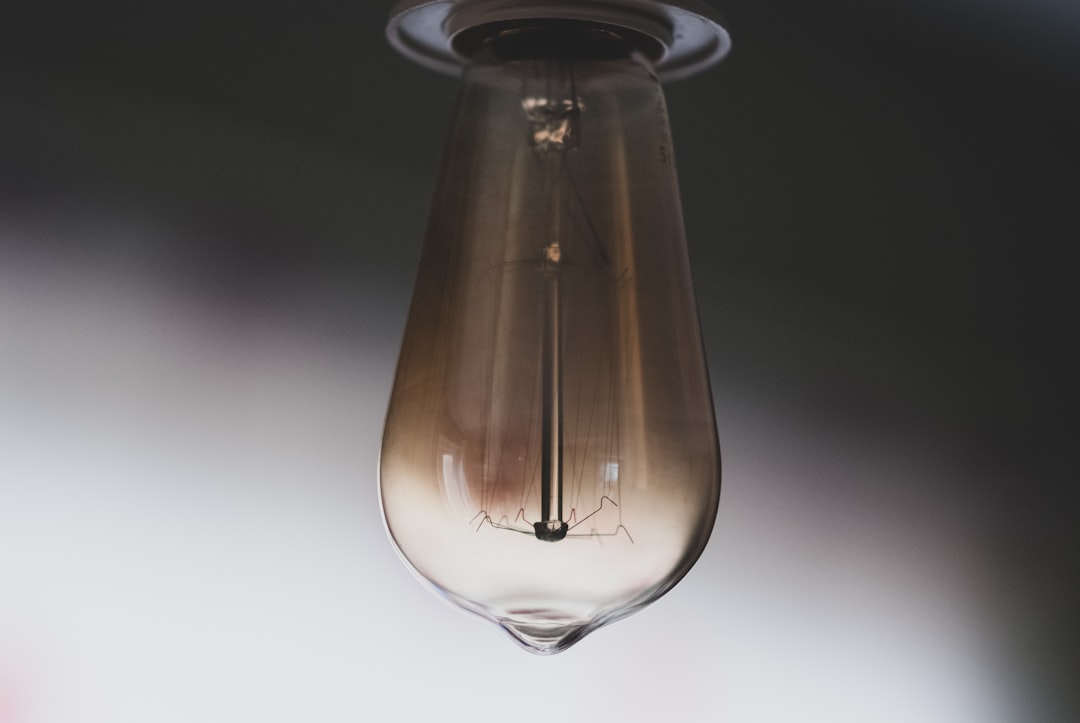
Glare, the sensation produced by luminances within the visual environment that are significantly greater than the luminance to which the eyes are adapted, can cause discomfort, distraction, and even visual impairment. Undiffused light sources, such as bare bulbs, are primary sources of glare.
Milk glass, by diffusing light, effectively reduces the luminance of the light source itself. The concentrated point of light becomes a broad, softly glowing surface. This dramatically lowers the potential for glare, enhancing visual comfort. For the user, this means less eye strain, improved ability to focus on tasks, and a more pleasant overall environment. It’s like comparing the direct glare of headlamps at night to the soft glow of streetlights, where the light source is diffused by a fixture.
Even Illumination and Shadow Management
Beyond glare reduction, milk glass promotes even illumination. Rather than creating distinct pools of light and sharp contrasts, diffused light distributes more uniformly across a surface or within a room. This can be particularly beneficial in functional spaces like kitchens or offices, where consistent light levels are important for performing tasks safely and efficiently.
Furthermore, diffused light softens shadows. Sharp shadows, while sometimes desired for dramatic effect, can obscure details and create a fragmented visual experience. Milk glass diminishes the harshness of shadows, rendering them softer and less defined. This contributes to the “clean aesthetic” by reducing visual clutter and fostering a sense of spaciousness.
The “Clean Aesthetic” Defined
The “Pure White Milk Glass Light: Clean Aesthetic” is more than just a material choice; it represents a deliberate design philosophy that aims to create spaces that are tranquil, orderly, and visually unburdened.
Simplicity and Minimalism
At its heart, this aesthetic embraces simplicity. It rejects excessive ornamentation, complex patterns, and superfluous details. The form of the milk glass fixture itself is often pared down, emphasizing elemental shapes like spheres, cylinders, or simple geometric volumes. This minimalist approach aligns with contemporary design trends that value functionality and uncluttered spaces. Designers utilizing this aesthetic view the fixture not as a decorative object to be admired for its complexity, but as an elegant component that seamlessly integrates into the environment. It is the architectural equivalent of a well-tailored garment: subtle, precise, and understated.
Purity and Serenity
The color white is intrinsically linked to notions of purity, cleanliness, and innocence across numerous cultures. When applied to milk glass, this white takes on an added dimension due to its opacity and light-diffusing properties. The pure white milk glass fixture becomes a serene presence, a silent beacon that emits a gentle, unblemished light. This fosters a sense of calm and tranquility in the illuminated space. It’s the visual equivalent of a quiet moment in a busy day, offering a subtle respite.
Versatility and Adaptability
One of the significant strengths of the pure white milk glass light aesthetic is its versatility. Its neutrality allows it to complement a wide array of interior design styles, from stark industrial to refined contemporary, and even some traditional settings. It does not clash with existing color palettes or material schemes. Instead, it acts as a unifying element, providing consistent illumination without drawing undue attention to itself.
This adaptability extends to various applications:
- Residential Interiors: From living rooms and bedrooms to kitchens and bathrooms, milk glass offers diffused ambient light.
- Commercial Spaces: Offices, lobbies, retail environments, and galleries benefit from its glare-reducing and even lighting qualities.
- Architectural Integration: The simple forms and pure color allow milk glass fixtures to be integrated seamlessly into architectural elements, becoming part of the structure rather than an extraneous addition.
Applications and Design Integration
The application of milk glass lighting within this aesthetic can manifest in numerous forms, each serving a specific purpose while adhering to the core principles of simplicity and diffused light.
Pendant and Chandelier Lights
Pendant lights featuring milk glass shades are common. Single pendants can provide focused illumination over dining tables or kitchen islands, while multiple pendants in a linear or clustered arrangement create a visually impactful feature that still adheres to the clean aesthetic. Chandeliers sometimes integrate milk glass elements, often as individual diffusers for multiple light sources, softening the overall light output. In these applications, the milk glass acts as a subtle anchor, drawing the eye without being ostentatious.
Wall Sconces and Flush Mounts
For ambient or accent lighting, milk glass wall sconces and flush-mounted ceiling lights are frequently employed. Wall sconces often project light upwards and downwards, creating a soft wash of light across surfaces, enhancing architectural features, and providing indirect illumination. Flush-mounted fixtures, particularly those with a minimalist profile, integrate seamlessly with the ceiling plane, providing general illumination without visual intrusion. They are the quiet workhorses of the lighting scheme, providing essential light without demanding attention.
Table Lamps and Floor Lamps
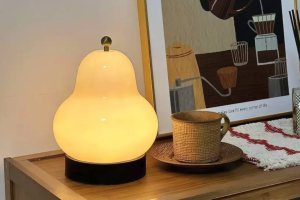
Portable lighting fixtures like table lamps and floor lamps often feature substantial milk glass diffusers or entirely milk glass shades. These provide localized, diffused light for reading, tasks, or creating intimate zones within a larger space. The weight and solidity of milk glass in these applications lend a sense of permanence and quality to the fixture, while the pure white color maintains the desired clean aesthetic. Imagine these as small, glowing sculptures, quiet yet impactful.
Architectural Lighting Elements
Beyond discrete fixtures, milk glass can be integrated into architectural elements themselves. This might include diffusers for cove lighting, backlit panels, or integrated linear lighting solutions. In such applications, the milk glass functions as an almost invisible component, allowing the light itself to define the space rather than the fixture. This is where the aesthetic truly becomes an extension of the architecture, where light is a primary material.
Maintenance and Longevity
The practical aspects of milk glass lighting underscore its appeal for a clean aesthetic. Its properties contribute to easy maintenance and a long service life, reinforcing the idea of a timeless and functional choice.
Durability and Cleaning
Milk glass is a durable material, resistant to scratching and discoloration under normal use. Its non-porous surface makes it relatively easy to clean. Regular dusting with a soft cloth typically suffices for routine maintenance. For more substantial cleaning, a damp cloth with a mild, non-abrasive cleaner can be used. Unlike some transparent glass, fingerprints and minor smudges are less noticeable on the opaque surface, contributing to a consistently neat appearance. This ease of maintenance supports the “clean” aspect of the aesthetic, as the fixtures retain their pristine look over time with minimal effort.
Timelessness and Investment Value
The “Pure White Milk Glass Light: Clean Aesthetic” transcends transient design trends. Its simplicity, purity, and functional benefits contribute to a timeless quality. Investing in milk glass lighting fixtures is often seen as a long-term decision, as the aesthetic is unlikely to become dated. This permanence, paired with the material’s durability, means that fixtures can retain their aesthetic and functional value for many years, even decades. It is a quiet investment in enduring quality, rather than a fleeting trend.
Conclusion
The “Pure White Milk Glass Light: Clean Aesthetic” embodies a design philosophy centered on clarity, tranquility, and functionality through the considered application of milk glass in lighting. This approach leverages the material’s inherent ability to diffuse light, reduce glare, and create an inviting glow. From its historical origins in decorative arts to its modern prominence in contemporary interiors, milk glass has consistently offered a visually understated yet highly effective means of illumination. By prioritizing simplicity in form, the pure white color, and the functional benefits of diffused light, this aesthetic provides a versatile and enduring solution for creating spaces that feel uncluttered, serene, and harmoniously lit. It demonstrates that true design elegance often lies not in embellishment, but in the intelligent and refined use of fundamental elements.