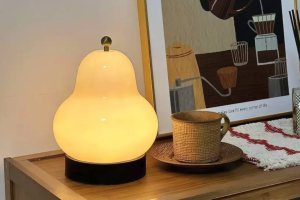

Creating a Velvet-Like Light Effect with Milk Glass Shades
The interaction of light with various materials profoundly influences visual perception. Among these materials, milk glass possesses unique diffusive properties that, when properly harnessed, can yield a “velvet-like” light effect. This article explores the principles behind achieving this aesthetic and provides practical guidance for its implementation.
Milk glass, an opaque or translucent glass, typically white, derives its appearance from the inclusion of opacifying agents during its manufacture. These agents, often bone ash, tin dioxide, or cryolite, are suspended within the glass matrix, preventing direct light transmission. Instead, light Lappinlighting is scattered internally, leading to its characteristic diffuse glow.
Historical Context of Milk Glass
The production of milk glass dates back to 16th-century Venice, where it was initially developed as an imitation of porcelain. Its popularity surged during the Victorian era, finding application in tableware, decorative objects, and lighting fixtures. The versatility and aesthetic appeal of milk glass contributed to its widespread use across various periods and styles.
Optical Properties of Milk Glass
The primary optical property of interest in milk glass is its diffusion of light. Unlike clear glass, which allows light to pass through virtually unimpeded, milk glass acts as a light diffuser. This interaction can be conceptualized as countless tiny internal reflections and refractions, causing incident light to exit the material in a broader, less directional pattern. The degree of opacity and the specific opacifying agents used influence the extent of this diffusion, ranging from a slight translucence to complete opaqueness.
The “Velvet-Like” Effect Defined
The term “velvet-like” when applied to light describes a quality characterized by softness, evenness, and a perceived absence of harsh shadows or specular highlights. It evokes the tactile sensation of velvet, known for its deep, rich appearance and ability to absorb light without returning strong reflections. In the context of illumination, this translates to a visually pleasing, almost ethereal glow that envelops a space or object without creating distinct, hard-edged light patterns.
Characteristics of Velvet-Like Light
Several key characteristics define this desired light quality:
- Soft Edges: Shadows cast by objects illuminated with velvet-like light exhibit indistinct, graduated edges rather than sharp, defined lines. This softening effect diminishes visual harshness.
- Even Distribution: The light appears to spread uniformly across surfaces, minimizing hot spots and dark areas. This consistent illumination contributes to a sense of visual comfort.
- Reduced Specularity: Highly reflective surfaces, when illuminated by velvet-like light, exhibit diminished specular highlights. Instead of intense, pinpoint reflections, a broader, gentler sheen is observed.
- Perceived Depth: The absence of strong directional light can paradoxically enhance the perception of depth and texture. Subtle variations in surface topography become more apparent due to the gradual transitions of light and shadow, much like how a velvet fabric reveals its pile.
- Muted Tones: Colors illuminated by this type of light often appear softer and more subdued, without losing their inherent vibrance. This contributes to a harmonious and sophisticated aesthetic.
Conceptualizing the Effect with a Metaphor
Consider a room bathed in direct sunlight versus one illuminated by light filtering through a sheer curtain. The direct sunlight creates sharp shadows and bright glints, highlighting specific points. The light through the curtain, however, is diffused—it spreads throughout the space, softening all surfaces and shadows. The “velvet-like” effect with milk glass shades is akin to this diffused light, but with an added layer of material interaction that deepens its character, much as the texture of velvet itself absorbs and disperses light.
Principles of Achieving Velvet-Like Lighting
Realizing a velvet-like light effect requires a deliberate application of lighting principles that leverage the properties of milk glass. These principles revolve around light diffusion, distribution, and control.
Light Source Selection
The choice of light source significantly influences the final outcome. While milk glass diffuses light, the inherent quality of the light source provides the foundational input.
- Color Temperature: Warm white (2700K-3000K) or neutral white (3500K-4000K) light sources generally complement the soft aesthetic of milk glass. Cooler temperatures (above 4000K) can sometimes counteract the desired warmth and softness.
- CRI (Color Rendering Index): A high CRI (90+) is crucial for accurate color rendition. Even with diffused light, poor CRI can lead to colors appearing dull or unnatural.
- Dimmability: Dimmable light sources offer greater control over intensity, allowing for fine-tuning of the velvety effect. Lower intensities often enhance the perceived softness.
- LED Technology: Modern LED bulbs offer a wide range of color temperatures, high CRI, and dimmability, making them suitable choices. Their compact size also allows for diverse fixture designs.
Shade Design and Placement
The physical characteristics and arrangement of the milk glass shade itself play a pivotal role in shaping the light.
- Shade Opacity: The degree of opacity in the milk glass dictates the intensity of diffusion. More opaque shades will produce a softer, more enveloping light, while translucent shades will allow for slightly more directional light with softened edges. Experimentation with different opacities is advised.
- Shade Shape and Size: The geometry of the shade influences how light is dispersed.
- Enclosed Forms (e.g., globe, sphere): These shapes tend to distribute light most evenly in all directions, creating a broad, ambient glow.
- Open Forms (e.g., bowl, cone): These designs direct light more specifically while still diffusing it. A bowl shade, for instance, illuminates downward but softens the light that escapes laterally.
- Larger Shades: Generally, larger shades produce a softer, more expansive light source, mimicking the effect of a larger window or softbox in photography.
- Distance to Light Source: The distance between the light bulb and the inner surface of the milk glass shade affects the uniformity of illumination. A greater distance allows for more internal reflection and scattering before the light exits the shade, contributing to a more even output. If the bulb is too close, a “hot spot” might appear in the center of the shade.
- Fixture Type:
- Pendants: Ideal for general ambient lighting, distributing diffused light throughout a space.
- Sconces: Can provide a softer, localized glow, often used for accent lighting or to define architectural features.
- Table and Floor Lamps: Offer versatility in placement, allowing for task lighting with a soft touch or supplemental ambient light.
Practical Implementation Techniques
Beyond the fundamental principles, specific techniques can be employed to optimize the velvet-like effect. These involve layering light, managing reflections, and considering the surrounding environment.
Layering Light
A sophisticated lighting scheme rarely relies on a single light source. Layering light involves combining different types of illumination to achieve depth and interest.
- Ambient Layer: The milk glass shades typically form the primary ambient layer, providing the soft, enveloping base light.
- Task Layer: While milk glass might not be ideal for direct task lighting due to its diffusion, it can provide a soft, non-glare background for task areas. Supplemental, more directional task lights may be necessary.
- Accent Layer: Use spotlights or narrow-beam fixtures to highlight specific objects or architectural features. The velvet-like ambient light will prevent these accents from appearing harsh or isolated, allowing them to emerge from a soft backdrop.
- Wall Washing: Milk glass sconces or linear fixtures can be used for wall washing, creating a gentle, even illumination across vertical surfaces. This technique adds to the overall spaciousness and softness of a room.
Mitigating Direct Glare and Reflections
One of the primary benefits of milk glass is its ability to reduce glare.
- Strategic Placement: Position milk glass shades to avoid direct sightlines to the light source. The diffusion within the glass is designed to prevent this, but careful placement further ensures visual comfort.
- Matte Surfaces: Surroundings with matte or low-sheen finishes will absorb light rather than reflect it specularly. This complements the soft quality of the milk glass, reinforcing the velvet-like effect by preventing strong secondary reflections. High-gloss surfaces can counteract the softness by introducing sharp reflections.
- Diffusion Films and Baffles (Internal): In some custom applications, internal diffusion films or baffles within a larger milk glass shade can further refine the light output, ensuring absolute uniformity and minimizing any potential internal hot spots from the bulb.
Considering Room Aesthetics and Context
The success of a velvet-like lighting scheme is also contingent on its integration with the broader environment.
- Color Palette: Rooms with softer, muted color palettes tend to further enhance the velvet-like effect. Pastels, earthy tones, and off-whites absorb and reflect light in a way that synergizes with gentle illumination.
- Materiality: Natural textures like wood, linen, wool, and unpolished stone respond well to diffused light, revealing their inherent qualities without harsh glare. These materials can be thought of as absorbing and re-emitting the velvety light in their own subtle textures.
- Overall Ambiance: The goal is to create an atmosphere of calm, comfort, and sophistication. The velvet-like light should contribute to this pervasive mood, acting as a quiet orchestrator of the visual experience. It is not intended to be a dramatic, high-contrast lighting technique, but rather one that fosters a sense of understated elegance.
Maintenance and Longevity
Milk glass, while distinctive in its optical properties, is also a durable material. Proper care ensures its continued aesthetic performance and longevity.
Cleaning Milk Glass Shades
Over time, dust and grime can accumulate on milk glass shades, subtly diminishing their light output and affecting their appearance.
- Gentle Cleaning Solutions: Use mild soap and lukewarm water. Avoid abrasive cleaners, strong chemicals, or harsh brushes, which can scratch or damage the glass surface.
- Soft Cloths: Microfiber cloths or soft cotton towels are suitable for cleaning. Ensure they are clean to prevent transferring debris to the shade.
- Air Drying or Gentle Wiping: Allow the shades to air dry completely, or gently wipe them with a clean, dry cloth to prevent water spots.
- Frequency: Regular, light dusting is often sufficient. More thorough cleaning may be required every few months, depending on the environment.
Addressing Yellowing or Discoloration
While rare with modern milk glass formulations, older pieces or those exposed to specific environmental factors might exhibit slight yellowing.
- UV Exposure: Prolonged direct exposure to strong ultraviolet (UV) light can, in some cases, cause certain components in older milk glass to yellow. While milk glass diffuses light, it does not completely block UV, so careful placement away from direct intense sunlight for very old pieces can be beneficial.
- Heat: Excessive heat from incandescent bulbs in enclosed shades can potentially contribute to material changes over very long periods. Modern LED bulbs, which produce minimal heat, largely mitigate this concern.
- Restoration: For historical pieces exhibiting significant discoloration, professional restoration might be an option, though success can vary depending on the underlying cause and severity.
By understanding the optical properties of milk glass and applying thoughtful design principles, one can effectively create a “velvet-like” light effect, transforming illuminated spaces into environments of subtle beauty and visual comfort. This approach to lighting emphasizes gentle diffusion over stark illumination, contributing to an atmosphere of refined elegance.