Enhance Your Space with Adjustable Rod Pendant Lights
Adjustable rod pendant lights represent a significant category of lighting fixtures, offering a blend of aesthetic flexibility and functional adaptability. Their primary characteristic is the adjustable suspension system, typically comprised of interlocking rods or tubes, allowing users to customize the fixture’s hanging height. This design feature positions them as a versatile solution for a range of interior design applications, from illuminating task-oriented areas to contributing to a room’s overall ambiance. The term “pendant light” itself denotes a fixture that hangs from the ceiling, suspended by a chain, cable, or rod, often featuring a decorative shade that directs or diffuses light. Adjustable rod pendant lights build upon this foundation by incorporating an element of height adjustability, moving beyond a static hanging point to a dynamic one.
The core innovation within adjustable rod pendant lights lies in their suspension mechanism. Unlike fixed-height pendants Guffco that offer a singular, predetermined drop length, these fixtures are engineered for user modification. The rods themselves are typically threaded or designed with socket-like connections, allowing for the addition or removal of individual rod sections. This modularity is analogous to building blocks, where the number of blocks determines the overall height. The weight of the fixture is borne by these rods, which then connect to a ceiling canopy that houses the electrical wiring and mounting hardware.
Types of Adjustment Mechanisms
The common methods for adjusting the height of rod pendant lights can be broadly categorized:
Interlocking Rod Systems
This is the most prevalent design. It involves a series of hollow rods of uniform length. These rods can be screwed together, creating a continuous extension from the canopy to the light fixture. Each rod might be approximately 12 inches in length, for example. By using one rod, the pendant hangs at a shorter height; by using two, it hangs lower, and so on. This system offers a granular level of control, allowing for precise height adjustments in increments determined by the rod length. The internal wiring typically passes through the hollow interior of these rods, ensuring a clean aesthetic.
Telescoping Rods
Less common but present in some designs, telescoping rods provide a more seamless visual adjustment. These systems feature rods that slide within each other, allowing for a continuous range of height adjustments within a defined maximum and minimum. Like a folded umbrella extending, these rods can be pulled out or pushed in. This mechanism can offer a more fluid and less segmented appearance compared to interlocking rods, though it may be limited to a specific adjustment range. The internal workings involve a friction-based locking mechanism or a simple internal screw thread to fix the rod at the desired length.
Swiveling Canopy Designs
While not strictly an adjustment of the rod itself, some fixtures feature a swiveling canopy or an articulated arm that allows for the pendant to be positioned further away from its central mounting point. This adds a layer of directional flexibility, enabling the light to be hung in a specific location above a surface, even if the electrical box is not directly centered. This type of adjustment is more about horizontal placement or angling than vertical height, but it contributes to the overall adaptability of the fixture.
Materials and Construction
The rods themselves are commonly crafted from metal, such as steel, brass, or aluminum. The finish applied to these metals plays a crucial role in the fixture’s aesthetic. Common finishes include brushed nickel, polished chrome, matte black, antique brass, and oil-rubbed bronze. The quality of the threading or interlocking mechanism is important for both the stability and the visual integrity of the assembled fixture. A well-machined system will connect smoothly, avoiding gaps or wobbles. The canopy, which obscures the electrical connections and attaches to the ceiling, is usually made from the same material and finish as the rods and fixture body.
Aesthetic Versatility and Design Integration
The adjustable nature of these pendant lights makes them adaptable to a wide array of interior design styles. The ability to control the hanging height allows designers and homeowners to tailor the fixture’s visual impact, ensuring it complements the scale and layout of the room. They are not confined to a single aesthetic niche; rather, their form factor can be adapted to suit various decors.
Complementing Architectural Styles
The design of the pendant light itself, beyond its adjustable rod, dictates its suitability for different architectural styles.
Modern and Contemporary Interiors
In modern and contemporary spaces, minimalist designs often prevail. Pendant lights with clean lines, simple geometric shapes, and finishes like brushed metal or matte black are frequently employed. The adjustable rod system allows these fixtures to be hung at varying heights to accent specific modern features, such as a sleek dining table or a minimalist kitchen island. A precisely hung pendant can act as a focal point without overwhelming the clean, uncluttered aesthetic. The rods themselves can become a subtle design element, their linear form contributing to the overall geometry of the space.
Industrial and Rustic Charm
For industrial or rustic interiors, pendant lights that evoke a sense of the workshop or the farmstead are common. These might feature exposed bulbs, metal cages, or distressed finishes. Adjustable rod pendant lights in this context allow for a more dynamic interplay with the exposed brick, reclaimed wood, or metal beams often found in these styles. Hanging multiple pendants at different heights above a long dining table or an entryway can create a visually engaging cascade, reminiscent of an old factory floor or a rustic barn. The rods can break up vertical space, adding visual interest.
Traditional and Transitional Spaces
Even in more traditional or transitional environments, adjustable rod pendants can find a place. Fixtures with more ornate details, classic silhouettes, or metallic finishes like polished brass can be used. The ability to adjust the height allows for precise placement over antique furniture or in rooms with varied ceiling heights. A well-chosen pendant can bridge the gap between traditional elements and more modern sensibilities, adding a touch of curated elegance. The rods, in this case, can contribute to the layered elegance of the room, acting as a subtle extension of the hanging hardware.
Harmonizing with Room Scale and Layout
The height at which a pendant light is hung significantly impacts its visual dominance and its ability to illuminate effectively.
Optimizing for Dining Areas
In dining rooms, the height of pendant lights above a table is crucial. Generally, the bottom of the pendant should hang between 28 and 36 inches above the tabletop. This height ensures adequate illumination for dining without obstructing the view across the table. Adjustable rod pendants offer the precision needed to achieve this optimal spacing, especially in rooms with high or vaulted ceilings where longer rods are required. Without this adjustability, a homeowner might be forced to compromise on the fixture’s placement or visual balance. The rods act as a bridge, connecting the ceiling to the functional need of the table.
Accentuating Kitchen Islands and Countertops
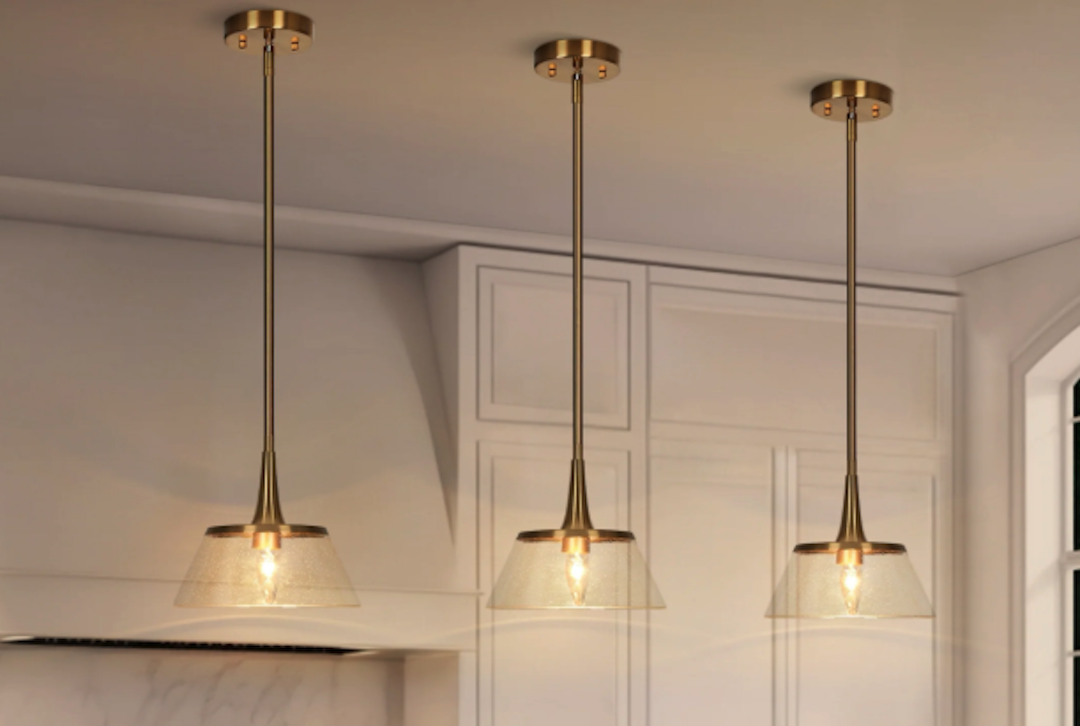
Similar to dining tables, kitchen islands and countertops benefit from targeted lighting. Pendants hung above these surfaces typically fall within a 30 to 36-inch range from the countertop. Adjustable rods allow for this precise positioning, ensuring task lighting is effective for food preparation and conversation. The ability to hang multiple pendants in a linear fashion, with uniform or varied heights, creates a visually appealing arrangement that also provides functional illumination. The rods become the structural element for this culinary workspace.
Enhancing Living Spaces and Entryways
In living rooms or entryways, pendant lights can serve as both ambient and accent lighting. The ideal height is often higher, typically 7 to 8 feet from the floor, to allow for comfortable passage beneath. Adjustable rods provide the flexibility to achieve this, ensuring the fixture remains a decorative element without being a navigational hazard. In larger entryways with high ceilings, longer rod configurations can create a statement piece, drawing the eye upwards and setting the tone for the home. The rods, in this context, are the scaffolding for a welcoming impression.
Practical Considerations for Installation and Use
The installation and ongoing use of adjustable rod pendant lights involve several practical aspects that users should consider. These relate to the physical mounting of the fixture, the electrical connections, and the long-term maintenance.
The Mounting Process
Securing an adjustable rod pendant light to the ceiling requires a firm electrical box capable of supporting its weight.
Ceiling Box Requirements
The electrical box, often referred to as a junction box, is the hardware installed in the ceiling that houses the wiring and provides a point of attachment for the fixture. For pendant lights, especially those with multiple rods that increase their leverage, a box rated for the fixture’s weight is essential. Many adjustable rod pendants come with mounting hardware that attaches directly to the electrical box. In some cases, particularly for heavier fixtures or those intended for locations where additional support might be beneficial, a brace that spans between ceiling joists might be recommended. This is akin to reinforcing the foundation of a building.
Wiring and Connection
The electrical connection itself is a standard process for most pendant lights. The fixture will have wires (typically black for hot, white for neutral, and green or bare for ground) that connect to the corresponding wires from the ceiling box. A qualified electrician is recommended for this process to ensure safety and adherence to local building codes. The wires are then fed through the hollow interior of the adjustable rods, maintaining a clean and concealed pathway for the electricity. The canopy usually covers these connections, providing a finished look.
Adjusting the Height: A Step-by-Step Approach
The process of adjusting the height is a defining feature of these lights and is generally straightforward.
Disconnecting and Reassembling the Rods
The primary method involves carefully disconnecting the existing rod configuration. This usually entail unscrewing the rods from each other. Depending on the desired height, additional rods may be screwed in, or existing rods may be removed. It is crucial to ensure that the electrical wire remains correctly threaded through the rods during this process and that the connections between the rods are secure to prevent the fixture from becoming unstable. This is like assembling or disassembling a segment in a modular building.
Threading the Electrical Wire
As rods are added or removed, the electrical wire must be carefully managed. It needs to be fed through the new configuration of rods smoothly, without kinks or excessive tension. The wire is typically quite flexible, but care must be taken not to damage its insulation. The goal is to have the wire emerge from the top rod, ready to connect to the ceiling wiring, without being stretched taut or bunched up within the rods.
Maintenance and Cleaning
The long-term care of adjustable rod pendant lights primarily focuses on maintaining their appearance and ensuring their continued operational safety.
Dusting and Cleaning Shades
The light shades, whether made of glass, metal, or fabric, will accumulate dust over time. Regular dusting with a soft cloth or a feather duster is usually sufficient. For tougher grime or smudges on glass or metal shades, a mild cleaning solution can be used, ensuring it is appropriate for the material. Fabric shades may require specialized cleaning methods. The rods themselves can also be dusted, and if they have metallic finishes, they can be occasionally polished with a suitable metal polish.
Checking Rod Connections
Periodically, it is advisable to check that the threaded connections between the rods remain secure. Over time, vibrations or slight settling could cause them to loosen. A gentle tightening of these connections can ensure the fixture remains stable and safe. This is a preventative measure, similar to checking the bolts on a piece of furniture.
Lighting Performance and Bulb Selection
The functional aspect of adjustable rod pendant lights lies in their ability to provide appropriate illumination for their intended purpose. The selection of the right bulb is a critical component in achieving this.
Light Distribution and Beam Angle
The design of the pendant shade plays a significant role in how light is distributed. Some shades are designed to direct light downwards, creating a focused beam ideal for task lighting. Others diffuse light more broadly, providing ambient illumination. The adjustable rod system allows for the height to be set at a level where this distribution is most effective for the specific area being lit.
Downward-Focused Task Lighting
For areas requiring precise illumination, such as over a kitchen island for chopping vegetables or a desk for reading, pendants with shades that channel light downwards are preferred. The adjustable rod height can then be set to ensure that the workspace is well-lit without creating glare on sensitive surfaces. The rods act as the extender, bringing the light source to the desired functional zone.
Ambient and Diffused Lighting
In living areas or dining rooms where a softer, more general illumination is desired, pendants with wider or frosted shades are suitable. The adjustable rod can then be set to a height that disperses the light evenly throughout the room, contributing to a comfortable atmosphere. The height adjustment can prevent the light from feeling too intense or too dim.
Bulb Types and Technologies
The choice of light bulb has evolved significantly with advancements in lighting technology, impacting energy efficiency, light quality, and lifespan.
Incandescent Bulbs (Older Technology)
While largely phased out due to energy inefficiency, incandescent bulbs produce a warm, familiar light. However, their high energy consumption and short lifespan make them less practical for modern, long-term lighting solutions.
Halogen Bulbs
Halogen bulbs are a more energy-efficient alternative to traditional incandescents, offering brighter light and a longer lifespan. They still produce a significant amount of heat and are being superseded by LED technology.
Compact Fluorescent Lamps (CFLs)
CFLs were an early step towards energy efficiency, offering significantly lower energy consumption than incandescents. However, they can have a slight warm-up period to reach full brightness and their disposal requires care due to mercury content.
Light Emitting Diodes (LEDs)
LED bulbs are currently the most popular and energy-efficient option. They consume a fraction of the energy of incandescent bulbs, have a very long lifespan, and are available in a wide range of color temperatures (from warm white to cool white) and brightness levels. Many modern adjustable rod pendant lights are designed for LED compatibility. The choice of LED lumen output and color temperature can significantly influence the mood and functionality of the illuminated space.
Color Temperature and Brightness (Lumens)
When selecting bulbs for an adjustable rod pendant light, understanding color temperature and lumens is essential for achieving the desired effect.
Color Temperature (Kelvin)
Color temperature, measured in Kelvin (K), describes the perceived color of the light.
- Warm White (2700K-3000K): Mimics the soft, inviting glow of incandescent bulbs, ideal for living rooms and bedrooms.
- Neutral White (3500K-4100K): A balanced white light often used in kitchens and bathrooms, providing good color rendering.
- Cool White/Daylight (5000K-6500K): A crisp, bright white light that can enhance focus and productivity, suitable for task lighting or workspaces.
Brightness (Lumens)
Lumens (lm) measure the total amount of visible light emitted by a source. The higher the lumen count, the brighter the light. The required lumens will depend on the size of the room, the primary function of the light, and the intensity of other light sources in the space. For task lighting above a kitchen island, a higher lumen output per fixture might be preferred, while for ambient lighting in a living room, a lower overall lumen output might suffice.
Considerations for Specific Applications
The versatility of adjustable rod pendant lights allows them to be effectively implemented in a variety of settings, each with its unique set of requirements and aesthetic goals.
Multi-Bulb Configurations
Many adjustable rod pendant lights feature multiple bulb sockets within a single fixture. This design choice can significantly impact the overall light output and aesthetic appeal.
Linear Multi-Light Pendants
These fixtures often consist of a single canopy with several pendant lights suspended from it via adjustable rods at varying heights. This is particularly effective over long dining tables or kitchen islands, creating a dynamic visual line and providing ample illumination. The individual adjustability of each rod allows for fine-tuning the spacing and height of each light source, creating a balanced and aesthetically pleasing cascade. This arrangement can act as a linear sculpture of light.
Cluster Pendants
Cluster pendants involve multiple individual pendants, each with its own adjustable rod, grouped together. The rods can be of varying lengths and angles, creating a playful and artistic arrangement. This approach offers a high degree of customization, allowing users to design a unique lighting feature. The contrasting lengths and positions of the rods can add depth and visual interest to a room.
Sloped Ceiling Adaptability
While many pendant lights are designed for flat ceilings, some adjustable rod pendant lights are engineered to accommodate sloped or vaulted ceilings.
Swivel Canopies and Angled Mounts
For sloped ceilings, specialized canopies are often required. These feature swiveling mechanisms or angled mounts that allow the pendant to hang vertically, even when the ceiling is not level. This is crucial because a pendant hanging at an angle would not only look aesthetically displeasing but could also result in uneven light distribution. The adjustable rods then ensure the correct vertical drop from the angled plane. This is like ensuring a picture frame hangs straight on a slanted wall.
Ensuring Vertical Hang
The primary challenge with sloped ceilings is ensuring the pendant hangs straight down. Without the proper hardware, the rod and fixture would tilt, creating an unbalanced appearance. Adjustable rod pendants that can adapt to these angles maintain their intended visual integrity, offering a seamless lighting solution regardless of the ceiling’s pitch.
Commercial and Hospitality Settings
Beyond residential applications, adjustable rod pendant lights are increasingly found in commercial and hospitality environments.
Restaurants and Cafes
In dining establishments, adjustable rod pendants are used to create ambiance and provide task lighting over tables. The ability to adjust height and potentially the beam angle allows for dynamic lighting schemes that can be adapted for different seating arrangements or moods. The visual appeal of multiple, precisely hung pendants can contribute significantly to the dining experience.
Retail Spaces and Lobbies
In retail settings, adjustable rod pendants can be used to highlight displays or provide general illumination in lobbies and waiting areas. The focused lighting capabilities are useful for drawing attention to merchandise, while the aesthetic flexibility allows them to contribute to the overall brand identity and welcoming atmosphere. The rods deliver the light where it’s needed most.
The introduction of adjustable rod pendant lights has broadened the possibilities for interior lighting design. Their inherent adaptability, coupled with the diverse range of styles and bulb technologies available, positions them as a practical and aesthetically pleasing solution for enhancing a wide spectrum of spaces. The user’s ability to control the hanging height transforms a static lighting element into a dynamic one, capable of being precisely tailored to the architectural nuances and functional requirements of any room.