Timeless Elegance: Vintage Tiffany Stained Glass Table Lamp
So, you’re curious about those beautiful Tiffany stained glass table lamps, the ones that just seem to belong in a room and have this undeniable charm? You’re probably wondering what makes them so special, why they’re called “timeless,” and if they’re really worth the investment. The simple answer is that their enduring appeal comes from a combination of exquisite craftsmanship, unique artistic design, and the inherent quality of the materials used, all of which contribute to a piece that’s both functional art and a lasting statement.
The Allure of the Tiffany Lamp
When you think of a Tiffany lamp Aluredesign, it’s more than just a light source. It’s a piece of history, a work of art, and a focal point that can transform a space. There’s a certain gravitas that comes with these lamps, a feeling of substance and thoughtful creation that’s hard to find in mass-produced items today. They have a way of grounding a room, adding a touch of sophisticated character without being overbearing. It’s that intangible quality that draws people in, a subtle invitation to appreciate beauty and fine engineering.
A Legacy of Light
The name “Tiffany” itself carries a certain weight, and when it comes to their stained glass lamps, that reputation is well-earned. Louis Comfort Tiffany was a pioneer, not just in glassmaking but in interior design. He envisioned lamps that were more than just utilitarian objects; they were intended to be decorative elements, works of art that complemented and enhanced their surroundings. This philosophy is evident in every piece, from the smallest detail to the overall composition.
Beyond the Brightness
What truly sets a Tiffany lamp apart is its ability to imbue light with a different quality. The colored glass isn’t just for show; it refracts and diffuses light in a way that creates a warm, inviting ambiance. Instead of a harsh glare, you get a soft, multi-hued glow that can make even the most ordinary corner feel special. It’s this nuanced approach to illumination that contributes to their enduring appeal.
Understanding the Craftsmanship
The magic of a Tiffany stained glass table lamp lies in its meticulous construction. It’s not an easy process, and it’s one that requires a rare combination of artistry and technical skill. The creation of these lamps is a testament to the dedication of the artisans who bring them to life.
The Art of Glass Selection
Before a single piece of glass is cut, there’s the crucial step of selecting the right materials. Tiffany lamps are known for their use of richly colored, opalescent glass. This type of glass has a milky, opaque quality that allows light to pass through and shimmer, creating depth and vibrancy. The selection of each individual piece of glass is critical, considering its color, texture, and how it will interact with neighboring pieces.
Different Shades, Different Moods
The variety of glass used is astounding. You’ll find deep blues that evoke twilight skies, rich greens reminiscent of forest canopies, warm ambers and reds that suggest a cozy hearth, and delicate pastels that bring a touch of springtime. Each hue is chosen not just for its individual beauty but for how it contributes to the overall pattern and mood of the lamp.
Texture and Transparency
Beyond color, the texture of the glass plays a significant role. Some pieces might have a smooth, rippled surface, while others might be heavily textured, adding visual interest and affecting how light plays across the shade. This interplay of textures creates a dynamic and engaging visual experience.
The Precision of Assembly
Once the glass is selected, it’s carefully cut into thousands of small pieces. This is where the painstaking work begins. Each piece of glass is then wrapped in thin strips of copper foil. This technique, pioneered by Tiffany, allows for intricate designs with very fine lines between the glass segments. The foil acts as a binder, creating a flexible framework for the glass pieces.
The Foil Wrapping Process
Imagine wrapping each tiny, precisely cut piece of glass with a thin metallic tape. It’s a repetitive but essential step. The copper foil needs to be smoothed down perfectly so that it adheres well and creates a clean edge for the soldering.
Soldering the Pieces Together
After all the glass segments are foiled, they are meticulously arranged on a mold to form the shade. Then, solder is applied along the edges of the copper foil, physically joining the pieces together. This creates the sturdy, yet visually delicate, structure of the stained glass shade. The skill here is to ensure even soldering, creating strong joints without obscuring the beauty of the glass.
Design Motifs and Their Significance
Tiffany lamps aren’t just abstract arrangements of colored glass. They often feature recurring motifs inspired by nature and the world around us. These designs are not merely decorative; they are intended to evoke a sense of beauty, tranquility, and craftsmanship.
Floral Fantasies
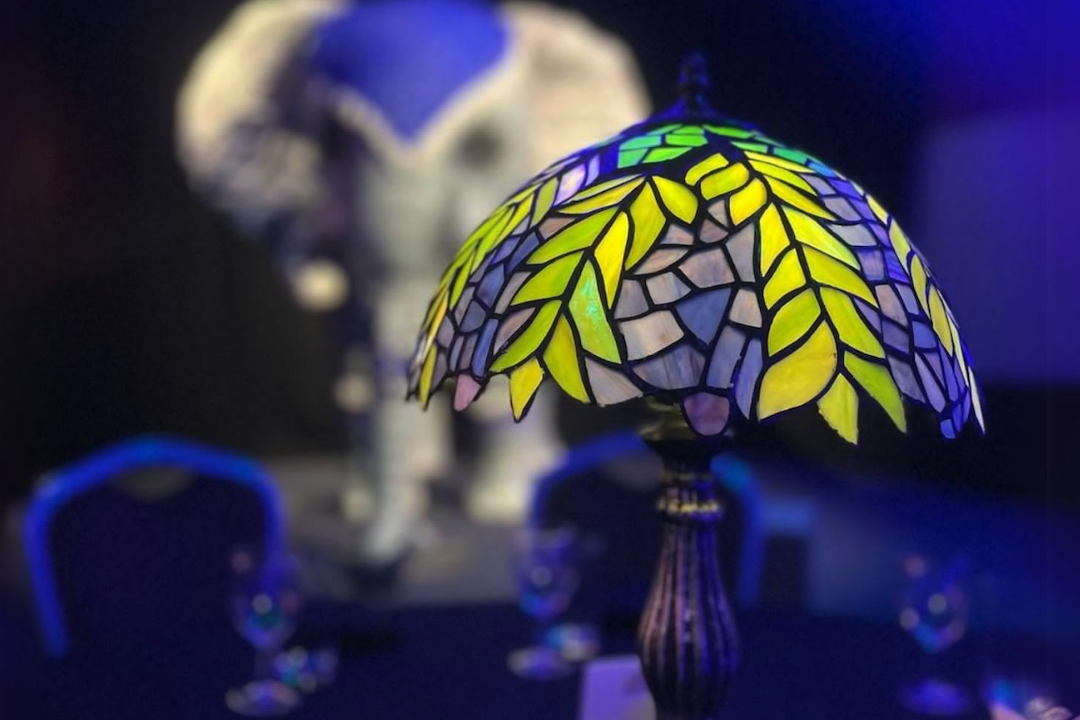
Perhaps the most iconic Tiffany lamp designs are those inspired by flowers. You’ll find lilies, irises, dragonflies, and wisteria rendered in stunning detail. The petals are often pieced together with subtle variations in color and texture, giving them a lifelike quality. The way light filters through these floral designs can be truly mesmerizing.
The Wisteria Lamp
A classic example is the Wisteria lamp, with its cascade of purple and blue glass grapes and blossoms. It’s a design that evokes a sense of lushness and abundance, a celebration of natural beauty.
The Dragonfly Lamp
Dragonflies, with their intricate wings and slender bodies, are another popular motif. The delicate veining of the wings is often captured using thin strips of glass, and the iridescent qualities of the glass used for the body can create a shimmering effect.
Nature’s Palette
Beyond specific floral elements, many Tiffany lamps draw inspiration from broader natural scenes. Think of landscapes, celestial bodies, or the changing seasons. These designs aim to bring a piece of the natural world indoors, creating a connection to the outdoors.
Seascapes and Water Scenes
Lamps depicting oceans, rivers, or water lilies capture the calming essence of water. The use of blues, greens, and transparencies can evoke the play of light on the water’s surface.
Celestial Inspirations
Some designs feature stars, moons, and swirling galaxies, bringing the wonder of the night sky into your home. These often utilize deeper blues, purples, and sparkling glass to represent the cosmos.
The Base: A Foundation of Quality
The stained glass shade is undoubtedly the star of the show, but the base of a Tiffany lamp is just as important. It provides the necessary support and often features its own artistic merits, complementing the shade above.
Materials and Finishes
Tiffany lamp bases are typically made from bronze or cast iron, materials that offer both durability and the ability to be intricately detailed. These metals are often finished in patinated bronze, verdigris, or other coatings that enhance their visual appeal and contribute to their antique aesthetic.
Bronze: The Classic Choice
Bronze is a favored material for its rich color and its ability to hold fine details. The casting process allows for intricate sculptural elements on the base, mirroring the complexity of the shade.
Iron: Sturdy and Sculptural
Cast iron bases offer a robust foundation and can also be sculpted into various forms, from simple, elegant columns to more elaborate, organic shapes.
Sculptural Elements and Form
Many Tiffany lamp bases are not just functional but are works of art in themselves. They can feature motifs that echo the shade, such as floral elements or nature-inspired forms. This ensures a cohesive and harmonious overall design.
Art Nouveau Influences
The Art Nouveau movement, which coincided with Tiffany’s heyday, heavily influenced the aesthetic of the bases. You’ll often find flowing lines, organic shapes, and decorative embellishments that are characteristic of this style.
Minimalist Stands
Not all bases are overtly decorative. Some are designed with a more minimalist aesthetic, featuring clean lines and geometric forms that allow the stained glass shade to take center stage. This can be a deliberate choice to balance a highly ornate shade.
Investing in Timeless Elegance
When considering a vintage Tiffany stained glass table lamp, you’re not just buying a light fixture; you’re acquiring a piece of history and a potential heirloom. The value of these lamps extends beyond their practical function.
Authenticity and Provenance
Determining the authenticity of a vintage Tiffany lamp is crucial, especially if you’re considering a significant investment. Look for maker’s marks, patents, and any accompanying documentation that can attest to its origin and history. Reputable dealers and auction houses are invaluable resources for this.
Maker’s Marks
Genuine Tiffany lamps will often have a signature or mark from the Tiffany Studios. This could be etched, stamped, or applied in a way that is consistent with the period.
Condition and Restoration
The condition of a lamp, including any repairs or restorations, will significantly impact its value. A lamp in its original, well-preserved state will generally be worth more than one that has undergone extensive restoration. However, professional restoration by someone skilled in Tiffany techniques can also preserve or increase value.
The Value Proposition
The enduring appeal of Tiffany lamps means they often hold their value exceptionally well, and in many cases, appreciate over time. This is due to the limited production, the high level of craftsmanship, and the inherent desirability of these artistic pieces.
A Lasting Decorative Piece
Beyond monetary value, a Tiffany lamp offers its owner a lasting decorative element that can be enjoyed for generations. It’s a piece that transcends fleeting trends and adds a constant touch of sophistication to any home.
The Joy of Ownership
There’s a unique satisfaction in owning a piece of functional art. A Tiffany lamp is a conversation starter, a source of ambient beauty, and a reminder of a time when craftsmanship and artistry were deeply valued. It’s an investment not just in an object, but in the pleasure and ambiance it brings into your life.