
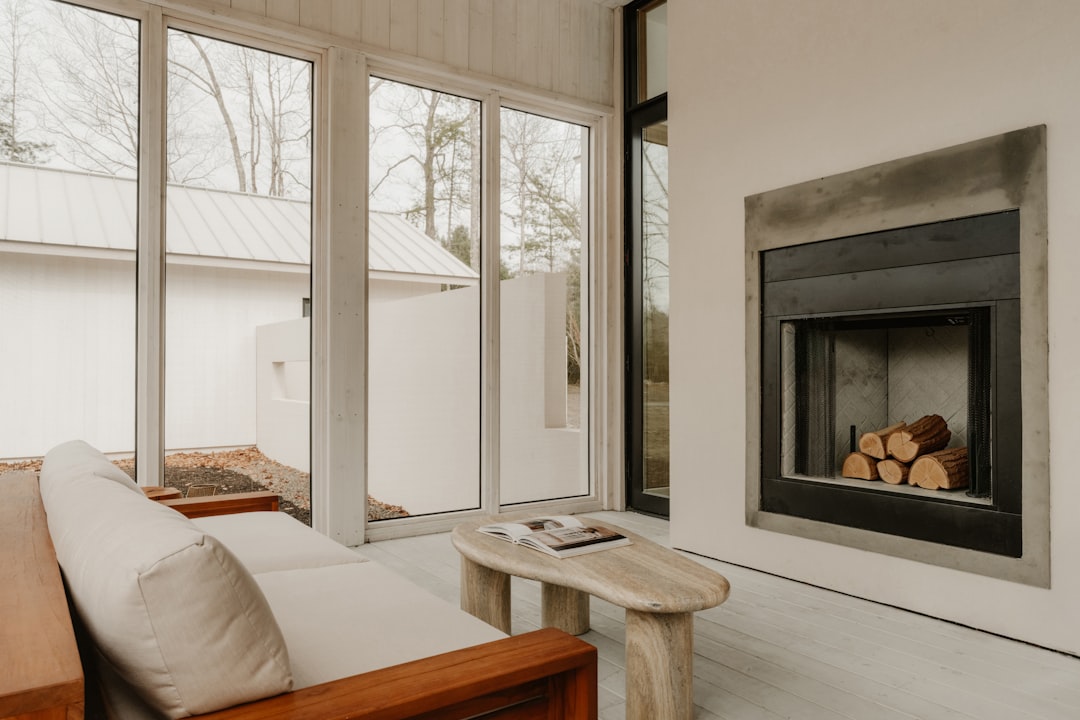
Cozy Fireplace Nook Lighting: Enhancing Ambiance Even When the Fire is Off
Let’s talk about making your fireplace nook inviting, even when the flames aren’t dancing. The main idea here is that a fireplace nook can be a cozy, functional spot all year round, not just a winter-only feature. The secret to achieving this lies in smart lighting choices. When your fire is off, the right lighting can still provide warmth, depth, and a sense of welcome, transforming a potentially dark corner into a well-loved retreat.
It’s easy to think of a fireplace as the primary light source in its own nook. And for good reason – a roaring fire is naturally captivating. But what happens when the ashes are cold? Without a fire, that area can quickly become a dark, underutilized space. Thoughtful lighting fills this void, ensuring your fireplace nook remains a focal point and a comfortable spot regardless of the season or whether you’re burning logs. It creates an atmosphere, provides necessary task lighting, and highlights decorative elements.
More Than Just Decoration
Good lighting isn’t just about looking pretty; it’s about functionality and mood. It can make a small space feel larger, a cold space feel warmer, and a bland space feel inviting. In a fireplace nook, this translates to being able to read comfortably, entertain guests without feeling like you’re in a cave, or simply enjoy a quiet moment.
Extending the “Cozy Season”
By effectively lighting your fireplace nook, you’re essentially extending its cozy season. It’s no longer just a winter-only retreat but a year-round haven. Imagine curling up with a book in your well-lit nook on a cool spring evening, or enjoying a morning coffee there in the autumn. Good lighting makes this possible.
Layers of Light for Depth and Warmth
The key to great lighting in any space, especially a cozy nook, is layering. Think of it like building a fire – you don’t just throw one big log on. You start with kindling, add smaller pieces, and then the larger logs. Lighting works similarly, combining different types of light to achieve a rich, inviting glow.
Ambient Lighting: The Foundation
Ambient lighting is your general, overall illumination. It’s the base layer that prevents the space from feeling like a cave. For a fireplace nook, you want this to be soft and warm, avoiding anything too bright or harsh.
- Recessed Lighting: If you have recessed lights in the ceiling near your fireplace, ensure they’re on a dimmer switch. This allows you to dial down the brightness to a cozy level. Opt for warm white bulbs (around 2700K-3000K) to enhance the feeling of warmth.
- Track Lighting: A discreet track light with adjustable heads can be a great option. You can direct the light precisely where you need it, perhaps highlighting the mantelpiece or a piece of art above it, while still providing general illumination.
- Wall Sconces: Sconces flanking the fireplace or on adjacent walls can provide a lovely, diffused ambient light. Choose sconces that cast light upwards and downwards for a gentle glow, avoiding direct glare.
Task Lighting: For Comfort and Function
Task lighting is crucial for any activity you might want to do in your nook, like reading, knitting, or even just enjoying a drink. It’s more focused than ambient light and prevents eye strain.
- Floor Lamps: A well-placed floor lamp is often the go-to for fireplace nooks. Look for one with an adjustable arm or a swing arm that allows you to direct the light over your shoulder while you’re seated. A linen or fabric shade will diffuse the light beautifully.
- Table Lamps: If your nook includes side tables or built-in shelving, a small table lamp can provide excellent task lighting. Choose a lamp that complements your decor and has a shade that directs light downwards, like a drum or empire shade.
- Picture Lights: While often considered accent lighting, a picture light directly over a piece of art can provide focused light for reading if you’re seated beneath it, in a pinch. However, dedicated task lighting is usually a better solution.
Accent Lighting: Highlighting and Drama
Accent lighting is where you add visual interest and drama. It draws the eye to specific features, adding depth and personality to your nook. This is where you can get creative and really make the space shine.
- LED Strips Under Shelves: If you have built-in shelves on either side of your fireplace, installing LED strips underneath can create a beautiful, ethereal glow. This highlights decorative objects and makes the shelves feel integrated and intentional.
- Spotlights for Art: If you have a beautiful painting or piece of art above your mantel, a small, adjustable spotlight can truly make it pop. Ensure the light source is hidden and the beam is focused solely on the artwork.
- Uplights for Plants or Architectural Features: Small uplights placed behind a large plant or at the base of a textured wall can create interesting shadows and add depth.
- Candles and Lanterns: Don’t underestimate the power of actual fire (in a contained way!). Candles, especially flameless LED candles, and decorative lanterns add a romantic, flickering glow that perfectly complements a fireplace nook, even without a roaring fire.
Smart Choices for Fixtures and Bulbs
Beyond the types of lighting, the actual fixtures and bulbs you choose play a huge role in the overall feel of your fireplace nook. These details can make or break the ambiance.
Fixture Style: Complementing Your Decor
Your lighting fixtures should look like they belong in your nook. Think about your existing decor style – is it modern, rustic, traditional, or eclectic?
- Rustic/Farmhouse: Consider fixtures with wrought iron, distressed wood, or exposed Edison bulbs (though usually with a dimmer for warmth). Lantern-style pendants or floor lamps can work well.
- Modern/Minimalist: Sleek, clean lines are key. Think metal finishes like brushed nickel or matte black, and simple fabric shades. Geometric designs or integrated LED fixtures can also fit.
- Traditional/Classic: Brass, bronze, or polished nickel finishes are often suitable. Look for lamps with more ornate bases or classic fabric shades like empire or bell shapes.
- Eclectic: This is where you can mix and match! A vintage find paired with a more contemporary piece can create a unique look. The main goal is that the pieces feel harmonious, not clashing.
Bulb Temperature: The Warmth Factor
This is one of the most critical aspects for achieving coziness. Bulb temperature, measured in Kelvin (K), dictates whether the light appears warm (yellowish) or cool (bluish).
- Warm White (2700K-3000K): This is your best friend for a cozy fireplace nook. It mimics the warm glow of a fire or incandescent bulb, creating a welcoming and relaxing atmosphere.
- Soft White (3000K-3500K): Still on the warmer side, but a bit brighter and less yellow than warm white. It can work for task lighting if you need a little more clarity without going too cool.
- Cool White/Daylight (4000K+): Generally best avoided for a cozy nook. These temperatures are great for offices or kitchens where alertness is key, but they can make a space feel sterile and unwelcoming in a living area.
Dimmer Switches: Absolute Must-Haves
Seriously, if you take away one piece of advice, it’s this: put everything on a dimmer. Dimmer switches allow you to fine-tune the intensity of your light, transitioning from bright task lighting to a soft, ambient glow with ease. This flexibility is invaluable for creating different moods and adapting to various activities.
- Wall Dimmers: For permanently installed fixtures like recessed lights, wall sconces, or track lighting.
- In-line Dimmers: For plug-in lamps, you can often add an in-line dimmer switch to the cord, allowing you to dim floor and table lamps.
- Smart Plugs/Bulbs: For even more control, consider smart plugs or smart bulbs that can be controlled via an app or voice assistant. Many smart bulbs also allow you to change the color temperature, offering even more versatility.
Practical Placement and Safety
Even the best lighting fixtures won’t do their job if they’re not placed correctly. And, of course, safety should always be a priority.
Strategic Placement: Maximizing Impact
Think about how you use your nook and where the light will fall.
- Avoid Glare: Position lamps so the light source isn’t directly in your line of sight when you’re seated. Use shades that direct light downwards or upwards, not outwards into the room.
- Highlight Key Features: Use accent lighting to draw attention to the mantelpiece, a unique texture on the chimney breast, or cherished objects.
- Consider Traffic Flow: Ensure floor lamps and their cords don’t create tripping hazards. If possible, run cords discreetly behind furniture or under rugs.
- Balance: Aim for a balanced look. If you have a large floor lamp on one side, consider a smaller table lamp or a couple of decorative candles on the other to create visual equilibrium.
- Light Paths: Think about how light will travel and reflect. A light bouncing off a light-colored wall will feel brighter than one absorbed by a dark surface.
Safety First: Especially Around the Fireplace
Even when the fire is off, common sense and safety precautions are important.
- Cord Management: Keep lamp cords tidy and out of the way. Use cord covers or cable ties if necessary. Avoid running cords under rugs where they can be damaged or become a fire hazard.
- Heat Clearance: Ensure any lighting fixtures are a safe distance from the fireplace opening. While you’re primarily lighting for when the fire is off, if you do decide to light a fire later, you don’t want a fixture too close to the heat source. Check manufacturer recommendations for clearance.
- Stable Bases: Floor lamps should have stable, heavy bases to prevent them from tipping over, especially if you have pets or small children.
- Proper Bulbs: Always use the correct wattage bulb for your fixture to prevent overheating. LED bulbs are generally a safer and more energy-efficient choice.
- Flameless Candles: While real candles add wonderful ambiance, flameless LED candles are a fantastic, safe alternative for constant decorative lighting in a nook, especially if you’re worried about open flames around curtains or pets.
Integrating with the Rest of Your Room
Your fireplace nook isn’t an island; it’s part of a larger room. The lighting in the nook should harmonize with the overall lighting scheme of the space, creating a cohesive and inviting environment.
Flow and Continuity
The transition from the general room lighting to the more intimate nook lighting should feel natural. Avoid stark contrasts that make the nook feel cut off. If the rest of your living room uses warm white bulbs, continue that theme into the nook.
Zone Lighting
Think of your room as having different “zones” – a seating area, a dining area, and your fireplace nook. Each zone might have its own primary lighting, but they should all work together. When entertaining, you might have all lights on a dimmer at a comfortable level. For a quiet evening, you might only have the nook and perhaps one other soft lamp on.
Architectural Harmony
Consider any built-in features around your fireplace, such as shelving, mantelpieces, or unique stone or brickwork. Lighting can be used to highlight these architectural details, making the fireplace an even more impressive focal point, even without a fire. Uplighting on textured stone, or under-shelf lighting on built-in units, can create beautiful visual interest.
By carefully considering these elements, your fireplace nook can truly become a cherished space in your home, providing comfort and style whether the fire is roaring or simply dreaming of its next flame. It’s about creating a constant invitation, a place that feels good to be in, at any time of day, any day of the year.