Enhancing Ambiance with High-Translucency Opal Glass
The ambiance of a space is profoundly affected by its lighting. Beyond mere illumination, lighting molds perception, influences mood, and defines the character of an environment. Among the various materials used in lighting design, high-translucency opal glass stands as a significant element in creating nuanced and desirable atmospheres. This article explores the properties, applications, and considerations related to employing high-translucency opal glass to enhance ambiance.
Opal glass, also known as opaline glass, is a semi-opaque or translucent glass with a milky or diffused appearance. Its distinctive quality arises from the inclusion of opacifying agents during the manufacturing process. High-translucency opal glass specifically refers to formulations engineered to allow a substantial amount of light to pass through while still diffusing it effectively.
The Science Behind the Diffusion
The diffusion of light Makalco through opal glass occurs due to the scattering of light by microscopic particles embedded within the glass matrix. These particles, often fluorides (like cryolite or fluorspar), bone ash, tin oxide, or zinc sulfide, have a refractive index different from that of the surrounding glass. When light encounters these particles, it is scattered in multiple directions.
- Scattering Mechanism: This scattering is primarily Rayleigh scattering or Mie scattering, depending on the size of the particles relative to the wavelength of light. For smaller particles, Rayleigh scattering predominates, leading to a bluish tint in thicker sections (though less pronounced in high-translucency types). Larger particles contribute to Mie scattering, which is less wavelength-dependent and results in a more neutral diffusion.
- Controlling Translucency: The degree of translucency in opal glass is controlled by several factors:
- Concentration of Opacifiers: A higher concentration generally leads to less transparency and greater diffusion.
- Particle Size Distribution: Finer, more uniform particles tend to produce a smoother, more even diffusion.
- Glass Composition: The base glass composition itself influences how effectively the opacifiers interact and scatter light.
- Thickness of the Glass: Thicker sections naturally lead to greater diffusion and reduced light transmission.
High-translucency opal glass represents a careful balance of these factors, ensuring optimal light output while maintaining a soft, diffused quality. It is not merely a filter, but a modifier, transforming sharp light sources into gentle glows.
Historical Context and Evolution
The use of opalescent glass can be traced back to antiquity, with early examples often exhibiting a primitive form of diffusion. The modern manufacturing of opal glass, particularly for lighting applications, gained prominence in the 19th century with advancements in glassmaking techniques. The introduction of standardized processes allowed for greater control over translucency and color. Today, highly refined opal glass formulations are integral to a wide array of lighting fixtures, from traditional designs to cutting-edge architectural installations. The evolution of manufacturing has focused on improving light transmission efficiency, color rendering, and durability.
Architectural and Interior Design Applications
The unique properties of high-translucency opal glass make it a versatile material in architectural and interior design. Its ability to soften and distribute light evenly is paramount in creating comfortable and visually appealing spaces.
Illuminating Public and Commercial Spaces
In retail environments, offices, and public buildings, the quality of light directly impacts the user experience. Harsh, direct lighting can create glare, eye strain, and an unwelcoming atmosphere. High-translucency opal glass diffusers, shades, and panels mitigate these issues.
- Retail: In retail, opal glass can highlight products without causing distracting reflections or hot spots. Imagine a display cabinet where products are bathed in a soft glow, making their textures and colors more inviting. This allows the product to take center stage, rather than the light source itself.
- Offices: In office settings, ceiling-mounted luminaires often incorporate opal glass diffusers to provide ambient lighting that reduces shadows and minimizes glare on computer screens. This contributes to better ergonomics and a more productive work environment. It acts as a veil, softening the intensity of the light source, much like clouds diffuse sunlight on a bright day.
- Public Buildings: In spaces such as libraries, museums, and transportation hubs, opal glass can be used in feature lighting or wayfinding fixtures, providing both illumination and a sense of calm and order. Its uniform diffusion helps to eliminate visual clutter.
Enhancing Residential Interiors
Within residential settings, ambiance is often equated with comfort and warmth. High-translucency opal glass plays a crucial role in achieving these qualities.
- Pendant Lights and Chandeliers: Many decorative pendant lights and chandeliers utilize opal glass shades to soften the light emitted from individual bulbs. This prevents direct glare and creates a more inviting glow, acting as a gentle hand, smoothing out the rough edges of illumination.
- Wall Sconces: Wall sconces with opal glass diffusers can provide indirect, ambient lighting that washes walls with a soft, uniform light, increasing the perceived spaciousness of a room. This can be particularly effective in hallways or bedrooms, where a more subdued light is desirable.
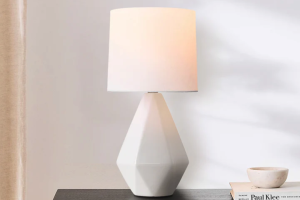
- Table and Floor Lamps: Table and floor lamps equipped with opal glass shades create localized pools of warm, diffused light, perfect for reading nooks or accentuating specific areas within a living space. They become beacons of comfort, drawing the eye gently.
Optimal Light Diffusion and Glare Reduction
The primary benefit of high-translucency opal glass is its unparalleled ability to diffuse light and reduce glare. This is critical for visual comfort and the overall aesthetic appeal of a lighting design.
Minimizing Direct and Reflected Glare
Glare occurs when bright light sources directly enter the eye or reflect off shiny surfaces. Both forms of glare can be uncomfortable, distracting, and fatiguing.
- Direct Glare: High-translucency opal glass scatters light from the source, effectively increasing the apparent size of the light-emitting surface. This larger, softer source distributes the light more evenly, drastically reducing the intensity at any single point and thus minimizing direct glare. It transforms a piercing spotlight into a gentle glow, much like a prism breaks a single beam into a spectrum of colors, but here, the spectrum is of softness.
- Reflected Glare: By diffusing the light before it reaches reflective surfaces, opal glass also helps to minimize reflected glare. Instead of a sharp reflection of a bright bulb, one might see a soft, indistinct glow on a polished surface, which is less disruptive to vision.
Creating Uniform Illumination
Uniform illumination is essential for functional and aesthetically pleasing environments. Hot spots (areas of intense brightness) and sharp shadows can disrupt the visual flow of a space.
- Even Light Distribution: Opal glass acts as a light homogenizer. It takes the concentrated light from a bulb or LED array and spreads it out evenly across its surface, eliminating harsh distinctions between light and shadow. This creates a more balanced and visually comfortable environment. Think of it as a painter’s blender, smoothing out the harsh strokes of light.
- Reduced Shadows: By scattering light from multiple angles, opal glass softens shadows, making them less defined and less intrusive. In spaces where precise task work is performed, this can improve visibility and reduce eye strain.
Aesthetic Appeal and Design Versatility
Beyond its functional advantages, high-translucency opal glass offers significant aesthetic appeal and design versatility, allowing designers to create a wide range of looks and moods.
The Character of Diffused Light
The light emitted through high-translucency opal glass possesses a distinct character. It is often described as soft, ethereal, and warm. This character can evoke a sense of calm, luxury, or intimacy.
- Softness and Warmth: The milky translucence of opal glass takes the edge off harsh light, presenting it in a gentler, more inviting form. This is particularly effective with warmer color temperature light sources, where the opal glass enhances the sense of coziness. It wraps the light in a comforting embrace.
- Ethereal Quality: In some installations, particularly with sculptural fixtures, opal glass can give light an almost ethereal, weightless quality. The light source itself becomes a glowing form rather than a distinct point.
Interplay with Form and Material
Opal glass, being a solid yet luminous material, interacts powerfully with the form of the lighting fixture and the surrounding materials.
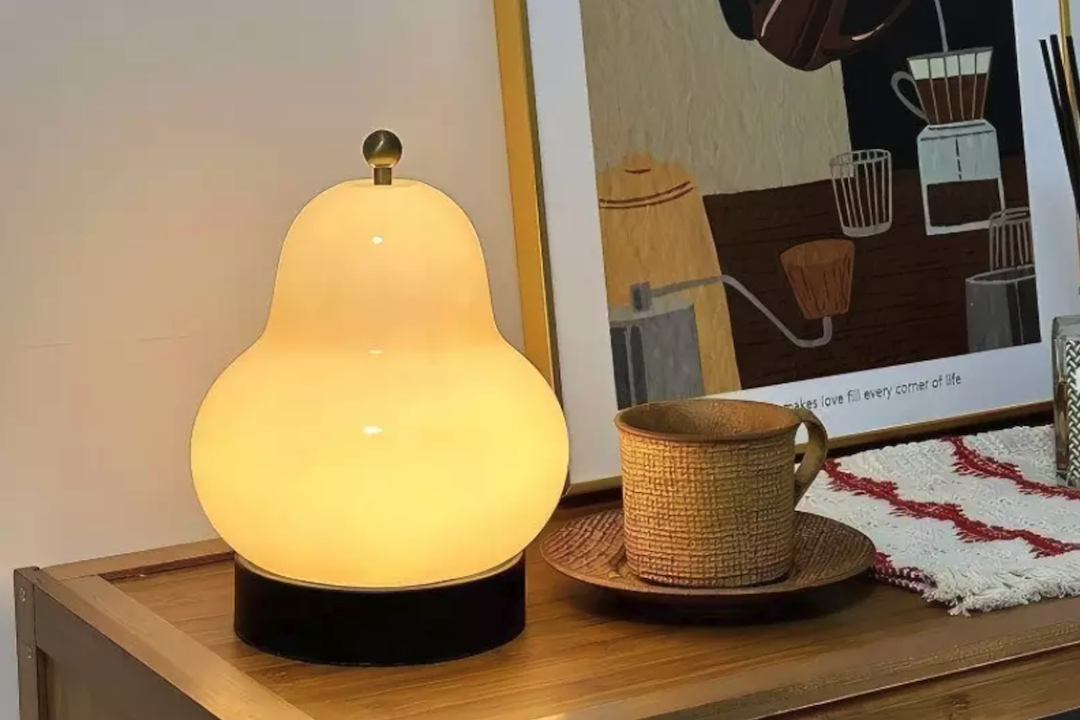
- Sculptural Elements: When molded into complex shapes, opal glass can become a sculptural element itself, glowing from within. Its uniform surface highlights the geometry of the fixture, whether it’s a sleek cylinder, a spherical globe, or an intricate art piece.
- Complementary Materials: Opal glass pairs well with a variety of materials such as metal, wood, and concrete. The contrast between the solidity of these materials and the luminous diffusion of the glass can create compelling visual interest. For instance, a brass fixture with an opal glass globe offers a classic yet contemporary aesthetic.
- Color Rendering: High-translucency opal glass typically has excellent color rendering properties, meaning it does not significantly distort the colors of objects it illuminates. This is crucial in environments where accurate color perception is important, such as art galleries or retail clothing stores.
Maintenance and Longevity Considerations
Like any material in a built environment, high-translucency opal glass requires specific maintenance and consideration regarding its longevity to ensure its continued performance and aesthetic appeal.
Cleaning and Care
While durable, opal glass is still glass and requires appropriate cleaning methods to prevent damage and maintain its luminous quality.
- Gentle Cleaning: For routine cleaning, a soft, lint-free cloth dampened with water or a mild glass cleaner is usually sufficient. Avoid abrasive cleaners, scouring pads, or harsh chemicals, which can scratch the surface or leave residues.
- Dust Removal: Dust can accumulate on the surface, diminishing light output and clarity. Regular dusting with a soft brush or microfiber cloth is recommended, particularly for fixtures in high-dust areas.
- Handling: When removing or replacing opal glass components, handle them carefully to prevent chips or cracks. Always allow fixtures to cool before cleaning if they have been recently in use.
Durability and Environmental Factors
High-translucency opal glass is generally a robust material, but its longevity can be impacted by environmental factors and the quality of its manufacture.
- Thermal Shock: Sudden and extreme temperature changes can cause thermal shock, potentially leading to cracks or fractures. Quality opal glass is engineered to withstand the operational temperatures of typical light sources, but careful handling during installation or bulb replacement is advised.
- UV Resistance: High-quality opal glass is often formulated to be UV resistant, which helps prevent yellowing or degradation over time, especially when exposed to natural light or specific types of artificial light sources. Poor quality glass may show signs of discoloration after prolonged exposure.
- Impact Resistance: While glass is inherently brittle, certain manufacturing processes can improve its impact resistance. However, it still remains susceptible to breakage from significant impacts. Placement in areas prone to accidental contact should be considered.
- LED Compatibility: Modern opal glass is designed to work effectively with LED lighting, which often runs cooler and has a longer lifespan than traditional incandescent bulbs. This synergy extends the overall useful life of the lighting fixture.
Conclusion
High-translucency opal glass is more than just a component in a lighting fixture; it is a meticulously engineered medium that transforms raw light into an atmospheric creator. By understanding its scientific principles, appreciating its historical evolution, and leveraging its unique properties in design, architects and interior designers can harness its power to craft environments that are not only well-lit but also deeply evocative. From bustling commercial spaces to intimate residential interiors, high-translucency opal glass serves as a silent partner in shaping ambiance, diffusing light like a gentle hand and crafting visual experiences that are both comfortable and compelling. As you plan your next lighting endeavor, consider the profound impact this humble yet powerful material can have in elevating the spirit of your space, turning mere illumination into an invitation to dwell and experience.