Enhance Your Home with Wooden Floor Lamps for a Natural Interior
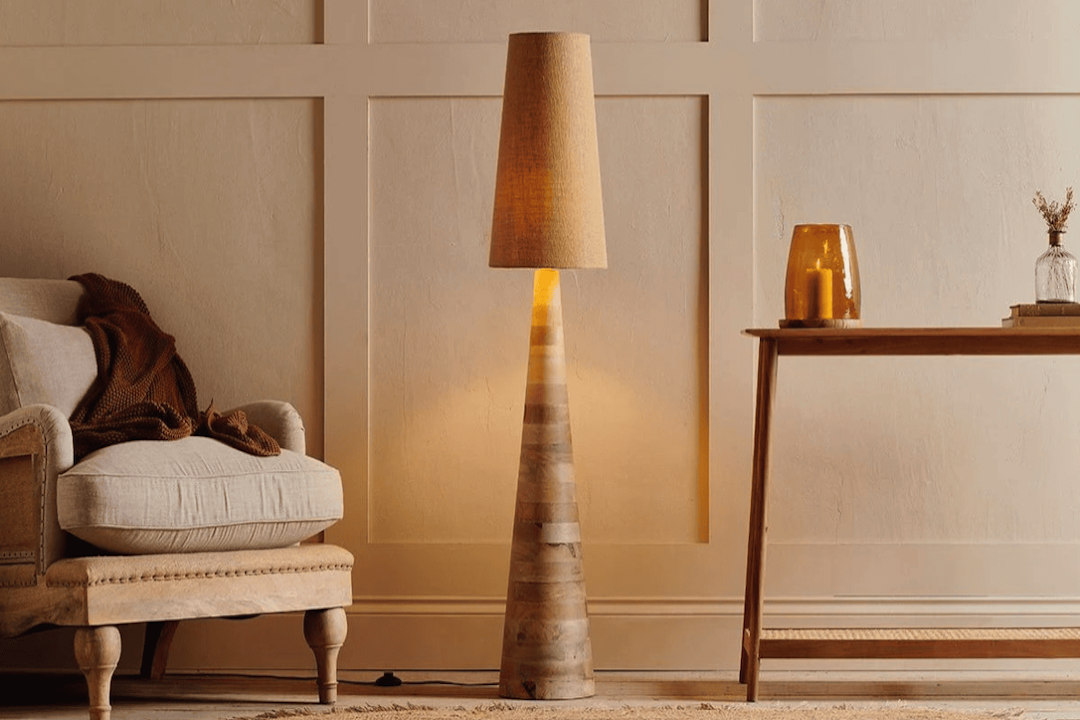
Wooden floor lamps offer a functional and aesthetic approach to illuminating interior spaces. Their construction, typically involving natural wood components, provides a tactile and visual warmth that can complement a variety of décor styles. The use of wood as a primary material connects the lamps to natural elements, contributing to a sense of grounding and organic integration within a room. This article explores the characteristics, benefits, and considerations associated with incorporating wooden floor lamps into home interiors.
The selection of wood for floor lamps Vanhouzen is driven by a combination of its inherent properties and its visual appeal. Different wood species offer distinct grains, colors, and textures, allowing for a wide range of stylistic applications.
Wood Species and Their Characteristics
The type of wood used significantly influences the lamp’s appearance and durability. Common choices include:
Hardwoods: Durability and Fine Grains
Hardwoods, such as oak, maple, and cherry, are generally denser and more resilient, making them suitable for lamps that are intended to be durable and long-lasting.
Oak (Quercus spp.)
Oak is a widely used hardwood known for its strength and prominent grain patterns. It is available in various forms, including red oak and white oak, each with subtle differences in color and grain. Oak’s natural durability makes it a practical choice for the structural elements of a floor lamp. Its medium to coarse texture provides a visible dimension to the lamp’s base and stem. Oak finishes can range from light, natural tones to darker stains, allowing for adaptability to different aesthetic preferences.
Maple (Acer spp.)
Maple wood is recognized for its subtle, often fine grain and pale, creamy color. It offers a clean, contemporary look that can also complement traditional designs. Maple’s hardness provides good resistance to wear and tear. Its smooth surface readily accepts stains and finishes, capable of achieving a wide spectrum of colors. The uniformity of its grain can contribute to a more minimalist or Scandinavian-inspired design.
Cherry (Prunus serotina)
Cherry wood is prized for its rich, warm reddish-brown color that deepens and develops a patina over time. Its fine, straight grain provides a sophisticated appearance. Cherry is moderately hard, offering a balance between beauty and practicality. The natural aging process of cherry wood means that a lamp made from this material can evolve in its aesthetic appeal over its lifespan, becoming a piece that gains character.
Softwoods: Lighter Weight and Distinctive Grains
Softwoods, such as pine and fir, are generally lighter and easier to work with, often offering unique grain patterns.
Pine (Pinus spp.)
Pine is a popular softwood known for its lighter color and more pronounced, knotty grain. This rustic character makes it a frequent choice for informal or country-style décor. Pine is less dense than hardwoods, which can make it more susceptible to dings and scratches. However, its affordability and ease of finishing make it an accessible option. The natural variations in pine, including knots, add an organic and imperfect charm to its appearance.
Fir (e.g., Douglas Fir – Pseudotsuga menziesii)
Fir, particularly Douglas Fir, is another softwood that provides a warm, reddish-brown hue and a straight, somewhat coarse grain. It is known for its strength relative to its weight. Fir is often used in more rustic or craftsman-style furniture and lighting. Its natural resistance to decay can also be an advantage in certain environments.
Wood Finishes and Treatments
The surface treatment of the wood plays a crucial role in both its appearance and its protection.
Natural Oils and Waxes
These finishes penetrate the wood, enhancing its natural color and grain while providing a subtle sheen. They offer a matte or satin look and are often chosen for their minimal environmental impact and ability to preserve the wood’s tactile feel. Oils and waxes can also be easier for users to reapply if the lamp is scratched or worn over time.
Varnishes and Lacquers
Varnishes and lacquers create a protective film on the surface of the wood. They can range from matte to high gloss, offering varying degrees of sheen and durability. These finishes provide a more robust barrier against moisture and physical damage but may obscure the natural texture of the wood to a greater extent than oils or waxes.
Stains and Paints
Wood stains are used to alter the color of the wood, from light, natural tones to deep, rich hues. They allow the wood grain to show through, providing depth and character. Paint, conversely, provides an opaque color, covering the natural wood grain entirely. This opens up possibilities for lamps that match specific color schemes or provide a bold design statement.
The Functional Aspects of Wooden Floor Lamps
Beyond their material composition, wooden floor lamps serve essential functions within a living space, primarily related to illumination and ambiance.
Illumination Types and Functionality
The way a wooden floor lamp distributes light is a key determinant of its utility in a room.
Task Lighting
Lamps designed for task lighting typically feature directional beams to provide focused light for activities such as reading, crafting, or working at a desk.
Adjustable Arms and Heads
Many wooden floor lamps are equipped with adjustable arms and heads, allowing the user to direct light precisely where it is needed. This flexibility is crucial for adapting the lamp to different tasks and seating arrangements. The articulation mechanisms, often made of metal, are integrated discreetly into the wooden structure.
Reflector Shades
Some task lamps utilize shades with reflective interiors to channel and concentrate light downwards. This is particularly effective for creating a bright, localized pool of light on a surface. The material of the shade, whether fabric, metal, or glass, also influences the quality and diffusion of the light.
Ambient Lighting
Ambient lighting aims to provide a general level of illumination that fills a room and creates a comfortable atmosphere.
Diffused Light Sources
Floor lamps that produce ambient light often feature shades made of translucent materials, such as fabric or frosted glass, that scatter the light. This diffusion prevents harsh shadows and creates a soft, even glow. The wooden base and stem contribute to a visually balanced impression of the light source.
Uplighting and Downlighting
Some floor lamps are designed to direct light upwards towards the ceiling (uplighting), which bounces off surfaces to create a soft, indirect illumination. Others direct light downwards (downlighting) to subtly illuminate the floor area around the lamp. Many modern designs combine both functions.
Integration into Room Layouts
The placement of a wooden floor lamp can significantly impact the flow and perceived spaciousness of a room.
Corner Illumination
Placing a floor lamp in a corner can draw the eye into that space, preventing it from feeling like a dark, neglected area. This can visually expand the perceived size of the room. The height of a floor lamp allows it to cast light upwards and outwards, effectively activating overlooked corners.
Beside Seating Areas
Floor lamps are commonly positioned beside sofas, armchairs, or reading nooks to provide localized light for relaxation and activities. This placement enhances the functionality of these zones and adds a visual anchor to the seating arrangement. The natural material of the lamp can complement the textures of upholstery and soft furnishings.
Hallways and Entryways
In hallways or entryways, a wooden floor lamp can provide a welcoming glow without impeding passage. It can serve as a decorative element and an initial source of light as one enters the home. The verticality of a floor lamp makes it a suitable choice for narrower spaces where floor area is limited.
Aesthetic Considerations for Wooden Floor Lamps
The visual characteristics of a wooden floor lamp allow it to contribute to the overall design narrative of a room.
Styles and Design Principles
Different design styles lend themselves to distinct interpretations of wooden floor lamps.
Modern and Contemporary
Clean lines, minimalist forms, and often lighter wood tones characterize modern and contemporary wooden floor lamps. These designs prioritize simplicity and functionality, with subtle detailing.
Sleek Silhouettes
Lamps in this category often feature slender, unadorned wooden stems and bases. The focus is on the material’s natural beauty and the lamp’s form. They often employ geometric shapes in their construction, avoiding ornamentation.
Natural Wood Tones
Unfinished or lightly finished woods, such as birch, maple, or light-toned oak, are frequently used to maintain a sense of airiness and organic connection. The grains are often subtle and consistent.
Traditional and Classic
Traditional wooden floor lamps often feature more ornate detailing, darker wood finishes, and classic silhouette shapes that evoke historical design periods.
Turned Wood Elements
Carved or turned wooden elements, such as fluted stems or decorative finials, are common in traditional designs, adding a sense of craftsmanship and historical reference. These details mimic historical decorative motifs.
Rich Wood Finishes
Darker woods like walnut or mahogany, or stained oak and cherry, are frequently employed to create a sense of richness and depth, often accompanied by polished brass or bronze accents.
Rustic and Farmhouse
This style embraces the natural, imperfect qualities of wood, often featuring distressed finishes, visible knots, and more substantial forms.
Reclaimed Wood Accents
The use of reclaimed or distressed wood introduces character and a sense of history, with visible imperfections adding to the aesthetic. This can include visible nail holes or a weathered patina.
Earthy Tones and Natural Textures
Lamps in this style often highlight the raw texture of the wood, with natural oils or matte finishes preserving the wood’s tactile qualities. They tend to have a more robust and grounded appearance.
Complementary Décor Elements
A wooden floor lamp can serve as a connector between other elements within a room’s design.
Pairing with Natural Materials
Wooden floor lamps naturally harmonize with other natural materials like stone, linen, wool, and cotton. Their presence can reinforce a tactile and organic feel within the space. The lamp’s wood can echo the wood tones found in furniture, flooring, or decorative accents.
Contrasting with Modern Elements
Conversely, a wooden floor lamp can introduce warmth and a natural counterpoint to more sterile or modern materials such as glass, metal, or concrete. This contrast can create visual interest and prevent a space from feeling too cold or impersonal.
The Role of Lampshades
The lampshade is a critical component that significantly influences both the light quality and the lamp’s overall aesthetic.
Fabric Shades
Fabric shades, in materials like linen, silk, cotton, or burlap, offer soft diffusion and can introduce color and texture into the design. The weave and density of the fabric control how much light is transmitted and diffused.
Glass Shades
Glass shades offer a range of possibilities, from clear and minimalist to frosted, colored, or patterned. They can provide a more refined or decorative touch. The transparency of the glass dictates the directness of the light.
Metal Shades
Metal shades can provide a more industrial or minimalist look, often directing light in a specific direction or reflecting it powerfully. They can offer a sleek, architectural quality. The finish of the metal, whether brushed, polished, or patinated, further influences the style.
Benefits of Incorporating Wooden Floor Lamps
The choice of a wooden floor lamp extends beyond mere utility; it offers several distinct advantages for home interiors.
Enhancing Ambiance and Warmth
Wood, by its nature, is associated with warmth and organic comfort.
Creating a Welcoming Atmosphere
The tactile and visual qualities of wood contribute to a sense of homeliness and invitation. A wooden floor lamp can soften the edges of a room, making it feel more approachable and lived-in. It acts as a visual anchor that signals comfort and relaxation.
Softening Artificial Light
The presence of wood can help to temper the sometimes harsh quality of artificial light. The natural tones and textures of the wood can absorb and reflect light in a way that feels more organic and less sterile than purely synthetic materials.
Promoting a Connection to Nature
In an increasingly urbanized world, incorporating natural elements can be beneficial for well-being.
Biophilic Design Principles
Wooden floor lamps align with biophilic design principles, which advocate for the integration of natural elements into built environments to enhance human health and well-being. The visual connection to nature can have a calming effect.
Reducing Visual Monotony
The varied grains, colors, and textures of wood can break up visual monotony in a room, adding a layer of organic complexity and interest. This can prevent a space from feeling too uniform or artificial.
Durability and Longevity
When chosen with care and maintained appropriately, wooden floor lamps can be long-lasting additions to a home.
Material Resilience
Higher-quality hardwoods, in particular, are known for their strength and resistance to wear, ensuring that the lamp maintains its structural integrity over time. The inherent properties of well-chosen wood make it a robust material for furniture and lighting.
Timeless Appeal
The aesthetic appeal of natural wood often transcends fleeting design trends, offering a timeless quality that allows the lamp to remain relevant and attractive for many years. Unlike trends that fade, the classic beauty of wood endures.
Considerations for Selection and Placement
Making an informed decision about a wooden floor lamp involves evaluating its suitability for a specific space and its integration with existing décor.
Matching Scale and Proportion
The size of the lamp should be proportionate to the room and the furniture it is intended to complement.
Room Size
A large, imposing floor lamp can overwhelm a small room, while a slender, small lamp might get lost in a spacious area. The lamp’s height and width should create a balanced visual presence within the overall room dimensions.
Furniture Placement
Consider the height of nearby furniture. A floor lamp placed beside a sofa should ideally have its shade at or slightly above the seated eye-level for comfortable reading. The lamp’s base should occupy a reasonable amount of floor space without obstructing pathways.
Style Cohesion
The design of the wooden floor lamp should align with the existing aesthetic of the room.
Consistency with Existing Furniture
While contrast can be effective, a lamp can also be chosen to echo the type of wood or the finish of existing furniture pieces, creating a sense of visual continuity. A lamp made of oak can complement oak furniture, for example.
Complementing Color Palettes
The wood tone and the lampshade color should integrate harmoniously with the room’s overall color scheme. A lamp can be a subtle accent or a more prominent design feature depending on its color and material choices.
Functionality and Lighting Needs
Prioritize the primary purpose the lamp will serve.
Task vs. Ambient Lighting Requirements
If the lamp is primarily for reading, ensure it offers adequate directional light. If its purpose is to create a mood or general illumination, an ambient light source will be more suitable. The adaptability of the lamp to different lighting needs is a key functional consideration.
Energy Efficiency
Consider the type of bulb the lamp accommodates and its energy efficiency. LED bulbs, for instance, offer long life and reduced energy consumption, which can be a practical benefit over time.
Maintenance and Care
Understanding the material’s needs will ensure the lamp’s longevity.
Cleaning and Polishing
Wood requires specific care to maintain its appearance. Regular dusting and occasional polishing with appropriate wood cleaners will preserve its finish and prevent damage from dust and grime. Avoid harsh chemicals that can damage the wood or its finish.
Protecting from Environmental Factors
Protect wooden lamps from direct sunlight, excessive humidity, or extreme temperature changes, which can cause the wood to warp, discolor, or crack over time. These environmental factors can degrade the material’s integrity.
In conclusion, wooden floor lamps offer a versatile and aesthetically pleasing lighting solution. Their natural materials, combined with thoughtful design and functionality, allow them to enhance interior spaces by introducing warmth, texture, and a connection to the natural world. By carefully considering the wood species, finish, style, scale, and functional requirements, individuals can select wooden floor lamps that not only illuminate their homes but also contribute significantly to their overall ambiance and design integrity.