Elegant Alabaster Wall Light for Hallway Luxe
This article discusses the “Elegant Alabaster Wall Light for Hallway Luxe,” a specific type of lighting fixture. It explores its characteristics, historical context, material science, design principles, and practical application within interior spaces. This information aims to provide a comprehensive understanding for individuals considering such a fixture.
The “Elegant Alabaster Wall Light for Hallway Luxe” is characterized by its material and form. Its design often emphasizes simplicity and clean lines, allowing the natural properties of alabaster to emerge as the central aesthetic feature.
Materiality of Alabaster
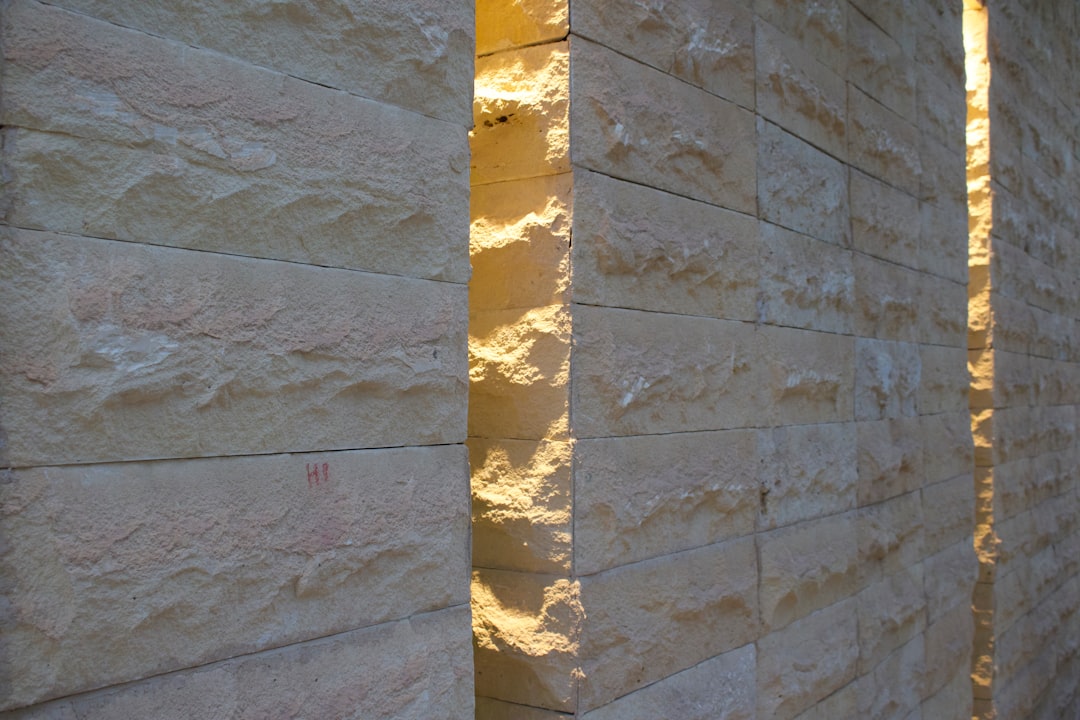
Alabaster, a fine-grained, massive variety of gypsum or calcite, is the primary material. Its translucent quality is paramount. When light passes through alabaster, it diffuses, creating a soft, even glow. This diffusion mitigates harsh shadows and glare, a characteristic often sought in ambient lighting. The natural veining and subtle color variations within the stone contribute to the individuality of each piece; no two alabaster lights are identical. This inherent uniqueness is a hallmark of natural materials.
Form and Structure
Hallway wall lights employing alabaster typically adhere to minimalist forms. Common shapes include rectangular plaques, circular discs, or shallow bowls. The intention behind these forms is often to frame the alabaster and allow its translucence to be the focal point. Metal supports, usually brass, bronze, or polished chrome, are often employed to secure the alabaster. These supports are generally understated, designed to recede and avoid competing with the alabaster’s visual presence. The light source is typically concealed within the fixture, further emphasizing the material’s ability to diffuse light rather than expose the direct source.
Integration with Architectural Styles
This type of light fixture is adaptable to various architectural styles. In classical or traditional settings, its natural material and subtle elegance can complement existing decorative elements. In contemporary or minimalist environments, its clean lines and diffused light can integrate seamlessly, acting as a textural element without disrupting a simplified aesthetic. Its neutrality allows it to act as an accent without overwhelming or dictating the overall design scheme.
Historical Context and Evolution
The use of alabaster in lighting is not a recent phenomenon. Its history reflects a long-standing appreciation for its translucent properties and aesthetic appeal.
Ancient Applications
Alabaster has been utilized for centuries, particularly in ancient Egypt and Mesopotamia, where it was employed for sculptures, vessels, and architectural elements. While not explicitly for electric lighting, early applications involved thin alabaster panels in windows or screens to filter natural light, demonstrating an understanding of its light-diffusing capabilities. Early forms of lanterns and oil lamps also occasionally incorporated thin alabaster for its ability to soften the flame’s intensity.
Renaissance and Baroque Periods
During the Renaissance and Baroque periods in Europe, alabaster continued to be valued. It was often incorporated into decorative arts and religious artifacts. Churches and grand residences sometimes featured alabaster window panels, not only for light diffusion but also for its symbolic purity. The craftsmanship involved in working with alabaster was highly regarded, suggesting its status as a luxury material.
Introduction of Electric Lighting
The advent of electric lighting in the late 19th and early 20th centuries presented new opportunities for incorporating materials like alabaster. Early electric fixtures often drew inspiration from gaslight and candle forms. However, as electric lighting technology matured, designers began to explore how materials could interact with this new light source. Alabaster, with its inherent diffusion, became a natural choice for creating ambient and subdued electric light. This period saw the development of more sophisticated alabaster shades and diffusers for various fixtures.
Mid-Century Modern and Contemporary Design
Mid-century modern design, with its emphasis on natural materials and organic forms, rekindled interest in alabaster. Designers of this era appreciated its subtle texture and ability to create a warm, inviting glow. In contemporary design, the “Elegant Alabaster Wall Light for Hallway Luxe” represents a continuation of this appreciation, marrying modern manufacturing techniques with the timeless appeal of alabaster. It often serves as a nod to classic design while fitting into contemporary spaces.
Material Science and Properties
Understanding the scientific properties of alabaster is crucial to appreciating its performance as a lighting material.
Mineralogy of Alabaster
As mentioned, alabaster can refer to two distinct minerals: gypsum alabaster and calcite alabaster.
Gypsum Alabaster
This form is composed of hydrated calcium sulfate (CaSO₄·2H₂O). Gypsum is a soft mineral, with a Mohs hardness of 1.5 to 2. This softness makes it relatively easy to carve and shape, a significant advantage for artisans. Its translucence arises from its crystalline structure, which allows light to pass through the material’s minute particles. The inherent porosity of gypsum alabaster also contributes to its light-diffusing properties.
Calcite Alabaster (Onyx Marble)
Calcite alabaster, also known as onyx marble, is composed of calcium carbonate (CaCO₃). It is harder than gypsum alabaster, with a Mohs hardness of 3. Its translucence is attributed to its microcrystalline structure. Calcite alabaster often exhibits distinct banding patterns dueised by the deposition of successive layers of mineral, creating visual depth. While both forms are translucent, their specific light transmission characteristics and working properties differ. For lighting applications, the choice between gypsum and calcite alabaster depends on desired aesthetic and durability.
Optical Characteristics
The primary optical characteristic of alabaster, regardless of its mineral composition, is its ability to diffuse light. This diffusion arises from the scattering of light waves as they encounter the irregularities within the material’s crystalline structure. Instead of allowing light to pass directly through like clear glass, alabaster redirects and spreads the light in multiple directions. This process reduces the intensity of direct light, thus minimizing glare and creating a softer, more uniform illumination. This scattering effect is analogous to how fog diffuses sunlight, transforming a direct beam into a gentle, encompassing luminosity.
Durability and Maintenance
Alabaster is a relatively soft stone, particularly gypsum alabaster. This softness makes it susceptible to scratching and chipping. It is also porous, meaning it can absorb liquids and stains. Therefore, proper maintenance is essential.
Cleaning Alabaster
Regular dusting with a soft, dry cloth is usually sufficient. For more persistent dirt, a barely damp cloth with a mild, pH-neutral soap can be used, followed by immediate drying. Abrasive cleaners or harsh chemicals should be avoided as they can etch the surface or remove any protective sealants.
Sealing Alabaster
To mitigate its porosity and increase resistance to staining, some alabaster fixtures are sealed with a penetrating sealer. This forms a protective barrier within the stone’s pores without altering its translucent properties. Periodic re-sealing might be necessary, depending on the environment and specific sealant used.
Environmental Considerations
Alabaster is susceptible to moisture and humidity changes. Prolonged exposure to high humidity can lead to degradation, particularly for gypsum alabaster. Therefore, its placement in high-humidity areas, such as bathrooms without adequate ventilation, should be considered carefully. The material’s density also makes it relatively heavy, requiring robust mounting hardware for wall fixtures.
Installation and Placement
The proper installation and strategic placement of an “Elegant Alabaster Wall Light for Hallway Luxe” are crucial for maximizing its aesthetic and functional contributions to a space.
Electrical Considerations
Like all fixed electrical lighting fixtures, these wall lights require professional installation by a qualified electrician.
Wiring
The fixture must be connected to the building’s electrical system, typically a standard 120V or 240V circuit, depending on regional standards. This involves connecting hot, neutral, and ground wires. Proper grounding is essential for safety.
Junction Box
Wall lights integrate with an electrical junction box, which provides a secure enclosure for wire connections and a stable mounting point. The size and type of the junction box must be compatible with the fixture’s mounting plate.
Dimming Capabilities
For optimal control over illumination levels and mood, it is advisable to connect the fixture to a dimmer switch. Many modern alabaster wall lights are designed to be dimmable, allowing occupants to adjust the brightness from a soft glow to a more pronounced illumination. Compatibility between the dimmer switch and the light source (e.g., LED, incandescent) is also a critical consideration.
Mounting and Support
Given the inherent weight of alabaster, particularly in larger fixtures, robust mounting is paramount.
Wall Substrate
The type of wall material (e.g., drywall, plaster, masonry) dictates the specific mounting hardware required. For drywall, securing the fixture to a wall stud is ideal. If a stud is not available, appropriate drywall anchors (toggle bolts or self-drilling anchors) designed to support the fixture’s weight must be used. For masonry, concrete anchors are necessary.
Secure Fastenings
The mounting bracket must be securely attached to the wall, capable of bearing the full weight of the fixture plus a safety margin. Over-tightening fasteners should be avoided as it can crack the alabaster itself or stress critical components. The fixture’s design should also allow for easy access to the light source for maintenance without compromising the structural integrity upon reassembly.
Strategic Hallway Placement
The unique character of alabaster light calls for careful consideration of its placement within a hallway.
Enhancing Spatial Perception
Hallways can often feel narrow or long. Strategically placed wall lights can mitigate these feelings. Multiple fixtures spaced evenly along a long hallway can create a rhythm, drawing the eye forward and making the space feel less cavernous. When mounted on one side of a narrower hallway, the diffused light can bounce off the opposite wall, creating an illusion of wider space.
Creating Ambiance
The primary role of these lights in a hallway is often to create ambiance. Unlike direct overhead lighting, the soft, diffused glow from alabaster wall lights avoids harsh shadows, fostering a welcoming and tranquil atmosphere. This is particularly effective in high-traffic areas where a sense of calm is desired.
Highlighting Features
If the hallway features architectural elements, artwork, or decorative niches, position the wall lights to subtly illuminate these features without overpowering them. The diffused light can gently sculpt these elements, adding depth and interest. Proper spacing ensures even illumination without creating distracting hot spots or dark areas. The height of the fixture is also important; general guidelines suggest eye-level or slightly above, to illuminate pathways without being in direct line of sight.
Applications and Benefits
The “Elegant Alabaster Wall Light for Hallway Luxe” provides both functional illumination and aesthetic enhancement, making it suitable for various interior applications.
Residential Settings
In private residences, these fixtures are frequently employed in hallways, entryways, and staircases.
Hallway Illumination
As the primary focus of this article, their application in hallways is straightforward. They provide necessary ambient light for safe passage while contributing to the home’s overall design aesthetic. The soft glow can make a transitional space feel like an integral part of the home rather than merely a thoroughfare.
Entryway Statement
In entryways, an alabaster wall light can serve as a sophisticated introduction to the home. Its natural material and artisanal quality can immediately communicate a sense of refined taste. When paired with other natural materials like wood or stone, it reinforces a cohesive, organic design theme.
Stairwell Lighting
For stairwells, strategic placement of multiple alabaster wall lights along the ascending wall provides both safety (by illuminating steps) and aesthetic appeal. The soft light can highlight the architectural lines of the staircase, transforming it into a sculptural element.
Commercial and Hospitality Environments
Beyond residential spaces, these fixtures find application in upscale commercial and hospitality sectors.
Boutique Hotels and Resorts
In luxury hotels, alabaster wall lights can enhance the guest experience in corridors, lobbies, and private suites. Their subtle elegance aligns with the desire for a sophisticated and tranquil environment that differentiates high-end establishments. They contribute to a palpable sense of comfort and luxury.
High-End Retail Stores
Within exclusive retail environments, these lights can be used to illuminate display areas subtly or to define pathways within the store. The diffused light can enhance the presentation of merchandise by minimizing harsh reflections and creating an inviting shopping atmosphere.
Corporate Lobbies
Corporate offices, particularly those aiming for a premium aesthetic, can utilize alabaster wall lights in their lobbies and executive hallways. This communicates professionalism and an appreciation for quality in interior design, subtly reflecting the organization’s brand identity.
Benefits of Alabaster Wall Lights
Diffused, Glare-Free Illumination
The primary functional benefit is the production of soft, diffused light. This reduces glare and eye strain, creating a comfortable visual environment. Unlike direct lighting, which can cast harsh shadows, alabaster softens the light, making spaces feel more expansive and inviting. It acts as a natural filter, turning raw light into a gentle presence.
Aesthetic Enhancement
Beyond its functional role, the alabaster wall light acts as a decorative element. Its natural beauty, with unique veining and subtle translucence, adds texture and visual interest to a wall. It is an artifact as much as it is a light source, elevating the perceived value of the space.
Timeless Appeal
Alabaster is a classic material. Its use in contemporary fixtures contributes to a timeless aesthetic that transcends fleeting trends. Investing in such a fixture means acquiring a piece that is likely to remain relevant and appreciated for many years, resisting obsolescence. This lasting appeal makes it a judicious choice for those prioritizing enduring design.