Cozy Up Your Reading Nook with a Wall Mounted Swing Arm Lamp
Let’s talk about leveling up your reading nook. If you’re struggling with getting enough light or just want to make the space feel a bit more intentional, a wall-mounted swing arm lamp is often the perfect solution. It offers targeted illumination right where you need it, without hogging precious floor or table space – a common problem in cozy spots. Plus, it adds a touch of style that can really elevate the whole vibe of your reading sanctuary.
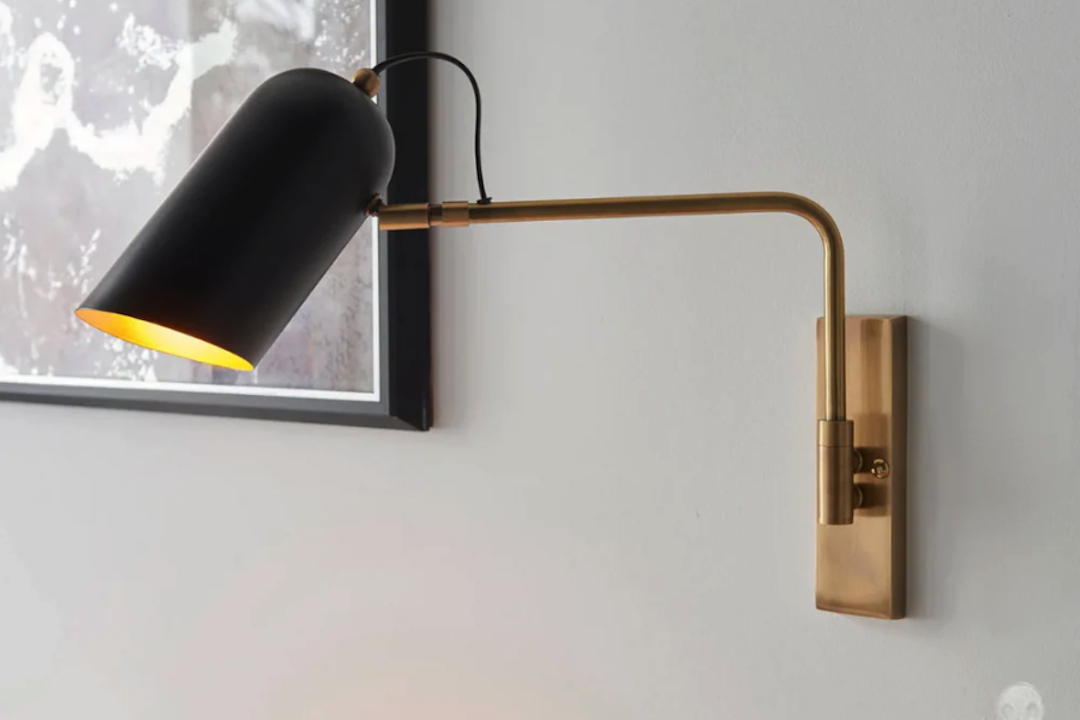
Finding the right lighting for a reading nook can be a bit of a Goldilocks situation. You need enough light to read comfortably, but not so much that it feels harsh or sterile. You also want something that looks good and doesn’t get in the way. That’s where the swing arm lamp Villenas really shines (pun intended!).
Space Saving and Streamlined
Traditional floor lamps or table lamps, while sometimes charming, can be bulky. In a smaller reading nook, every inch counts. A wall-mounted option frees up that valuable real estate.
- No Clutter: Your side table stays clear for books, a mug of tea, or your glasses.
- Clear Floor Space: No tripping hazards from a lamp base or power cord snaking across the floor. This is especially good for small rooms or if you have pets.
Adjustable Lighting for Optimal Comfort
This isn’t just a fixed light source. The “swing” in swing arm is key here. You can direct the light precisely where you need it, whether you’re leaning back in your armchair or sitting upright.
- Targeted Illumination: Focus the light directly on your book or e-reader, minimizing glare and eye strain.
- Versatile Positioning: Adjust the arm and head of the lamp to suit different seating positions or even if you shift in your chair.
Enhances the Aesthetic of Your Nook
Beyond just functionality, these lamps contribute significantly to the overall look and feel of your reading space. They can be a stylistic statement piece.
- Design Element: Many swing arm lamps are beautifully designed, adding a modern, rustic, industrial, or classic touch depending on your choice.
- Creates Ambiance: The ability to direct light can create a warm, inviting glow that makes your nook feel even cozier.
Choosing the Right Swing Arm Lamp for Your Nook
With so many options out there, it can feel a bit overwhelming to pick “the one.” Don’t stress too much; focus on a few key factors that will narrow down your choices.
Style and Material
This is where you match the lamp to your existing decor or the vision you have for your reading nook. Think about what materials and finishes would complement your furniture and other elements.
- Modern/Minimalist: Look for sleek designs, clean lines, and materials like brushed nickel, matte black, or chrome. Simple shades, often conical or cylindrical, work well here.
- Industrial/Loft: Exposed metal, cage designs, dark finishes (like rubbed bronze or black), and sometimes even visible bolts or gears. These lamps often have a rugged, utilitarian charm.
- Farmhouse/Rustic: Aged bronze, distressed wood accents, sometimes fabric shades in natural tones, or even oil-rubbed bronze finishes. Think comforting and well-worn.
- Traditional/Classic: Brass, polished nickel, or bronze finishes. Often features more decorative elements, classic bell or empire shades, and sometimes an antique look.
- Bohemian/Eclectic: This is where you can have more fun! Woven shades, colorful accents, unique shapes, or mixed materials. Don’t be afraid to pick something that stands out a bit.
Arm Length and Reach
This is crucial for functionality. You need the lamp to extend far enough to illuminate your reading material comfortably, without being so long that it bumps into shelves or walls.
- Measure Your Space: Before buying, sit in your reading spot. Measure from the wall where you plan to mount the lamp to where you’d ideally want the light source to be over your book.
- Consider Your Chair: How deep is your armchair or sofa? A deeper seat will require a lamp with a longer extension.
Light Direction and Adjustability
How much control do you want over where the light goes? Most swing arm lamps offer some degree of adjustability, but some are more flexible than others.
- Multiple Pivots: Some lamps have two or even three pivot points along the arm, offering superior flexibility.
- Swivel Head: A lamp head that can swivel or tilt (often called a “gooseneck” or “directional head”) allows you to precisely angle the light beam.
Power Source: Plug-In vs. Hardwired
This is a practical consideration based on your comfort level with electrical work and the existing wiring in your home.
- Plug-In (Corded): The easiest option. Just mount it to the wall and plug it into a nearby outlet.
- Pros: Easy installation, portable (if you ever want to move it).
- Cons: Visible cord (though cord covers can help with aesthetics), requires an accessible outlet.
- Hardwired: Connects directly to your home’s electrical system, usually through an existing junction box in the wall, or by running new wiring.
- Pros: Clean, seamless look with no visible cords. Often allows for a wall switch.
- Cons: Requires electrical knowledge or a professional electrician for safe installation. Not easily moved.
Installation Tips for Your Wall-Mounted Lamp
Don’t let the idea of drilling into your wall intimidate you. With a few basic tools and some patience, installing a plug-in swing arm lamp is a very achievable DIY project. For hardwired options, consider calling in a professional unless you’re experienced with electrical work.
Gathering Your Tools
Before you start, make sure you have everything you need. This saves you from stopping halfway through.
- Drill: With appropriate drill bits for wall anchors.
- Pencil: For marking placement.
- Tape Measure: For accurate positioning.
- Level: To ensure your lamp is straight.
- Screwdriver: Often Phillips head, but check your lamp’s hardware.
- Stud Finder (Optional but Recommended): To locate wall studs for more secure mounting, especially if the lamp is heavy.
- Wall Anchors: If you’re not mounting into a stud, these are essential for stability.
- Safety Glasses: Always a good idea when drilling overhead.
Choosing the Wall Position
This step is critical for both aesthetics and functionality. Take your time here.
- Sit in Your Nook: Place your chair exactly where it will be. Simulate reading.
- Mark Ideal Height: With your pencil, mark on the wall where the base of the lamp should go. Generally, the bottom of the lamp’s shade should be roughly at shoulder height when you’re seated, ensuring the light aims down onto your book.
- Consider the Swing: Make sure the lamp can swing freely without hitting shelves, windows, or other furniture. Visualize its full range of motion.
Mounting the Lamp
Follow the instructions that come with your specific lamp, but here’s a general outline.
- Prepare the Mounting Plate: Most lamps come with a separate mounting plate that screws into the wall first. Hold it up to your marked position and use your level to ensure it’s straight.
- Mark Drill Holes: Use the mounting plate as a template to mark where you’ll drill your holes.
- Drill Pilot Holes: If you’re mounting directly into a stud, drill a pilot hole slightly smaller than your screw. If using anchors, drill the size recommended for your specific anchors.
- Insert Anchors (if needed): Push or screw the wall anchors into the pilot holes until they are flush with the wall.
- Attach Mounting Plate: Secure the mounting plate to the wall using the provided screws.
- Mount the Lamp: Attach the lamp fixture itself to the mounting plate, following the manufacturer’s specific directions. This usually involves a screw, a set of screws, or a decorative cap.
Managing the Cord (for Plug-In Lamps)
A dangling cord can detract from the clean look.
- Cord Covers: These are inexpensive and can be painted to match your wall, effectively making the cord disappear. They come in various styles and can be adhered or screwed into the wall.
- Cable Clips: Small clips can discreetly guide the cord down the wall or along a baseboard.
- Route Behind Furniture: If possible, route the cord along the back of a bookshelf or behind your armchair.
The Perfect Bulb: More Than Just Brightness
The type of bulb you choose for your swing arm lamp can dramatically impact your reading comfort and the overall ambiance of your nook. It’s not just about watts anymore.
Understanding Bulb Types
The market is dominated by LEDs these days, and for good reason.
- LED (Light Emitting Diode):
- Pros: Energy-efficient, long lifespan, cool to the touch, available in a wide range of color temperatures and brightness levels. Dimmable options are common.
- Cons: Can sometimes be more expensive upfront, though savings on energy and replacement bulbs usually make up for it.
- Recommendation: This is almost always the best choice for a reading lamp.
Lumens: How Bright Is Bright Enough?
Forget watts when judging brightness; lumens are the real measurement.
- Reading Sweet Spot: For a focused reading lamp, aim for roughly 450 to 800 lumens. This is equivalent to a traditional 40-60 watt incandescent bulb.
- Adjust if Dimmable: If your lamp is dimmable (or you opt for a smart bulb), you can go higher on the lumen count and then reduce it as needed.
Color Temperature: Warm or Cool?
This is expressed in Kelvin (K) and significantly affects the mood of your space and how comfortably you read.
- Warm White (2700K-3000K):
- Effect: Inviting, cozy, simulates the glow of an incandescent bulb. Minimizes eye strain.
- Recommendation: Ideal for reading nooks. It promotes relaxation and feels natural for evening reading.
- Soft White (3000K-3500K):
- Effect: Slightly whiter than warm white, still comfortable for reading but a bit more neutral.
- Recommendation: A good compromise if you want something less yellow but still warm.
- Daylight (5000K-6500K):
- Effect: Mimics natural daylight, very bright, can feel a bit harsh for cozy evening reading.
- Recommendation: Generally not recommended for a reading nook unless you specifically need very high contrast or clarity for tasks other than relaxed reading. Can be good for craft areas.
Dimmable Options and Smart Bulbs
These features add another layer of functionality and comfort.
- Dimmable Bulbs: Allow you to adjust the brightness to suit different times of day or your personal preference, preventing eye strain. Ensure both the bulb and the lamp are dimmable if you plan to use a dimmable switch.
- Smart Bulbs: Offer control via an app or voice assistant. Many allow you to change both brightness and color temperature, truly customizing your lighting experience. This can be fantastic for a reading nook, allowing you to shift from a bright “task” light to a warm, low glow with ease.
Styling Your Nook Around Your New Lamp
Once your lamp is installed and glowing, it’s time to refine the rest of your reading nook to make it truly inviting. The lamp is a central feature; now build around it.
Complementary Furnishings
Think about how other pieces of furniture will work with your swing arm lamp.
- Comfortable Seating: An obvious must! An armchair, chaise lounge, or even a deep window seat with plenty of cushions. Ensure it’s comfortable enough to spend hours in.
- Small Side Table: Even though the lamp frees up space, a small table is still handy for holding your current book, a drink, or your phone. Choose one that’s proportionate to your chair and the nook size.
- Bookshelves or Storage: Keep your books within arm’s reach. Floating shelves or a slim bookcase can work wonderfully in a small space.
Textures and Soft Elements
Layering textures makes a space feel rich and inviting.
- Throws and Blankets: A soft throw draped over your chair is practically mandatory for a cozy nook. Choose materials like wool, faux fur, or thick cotton.
- Pillows: lumbar pillows for support or decorative pillows for added comfort and style.
- Area Rug: If your reading nook is on a hard floor, a small, soft area rug can define the space, add warmth, and absorb sound, creating a quieter environment.
Personal Touches and Decor
This is where you inject your personality into the space.
- Current Reads: Stack your current books on your side table or a nearby shelf.
- Plants: A small houseplant can add life and a touch of nature. Choose low-light options if your nook isn’t near a window.
- Art or Photos: A small piece of artwork or a cherished photo on the wall can make the space feel more personal and complete.
- Candles or Diffusers: For an extra layer of ambiance (and scent), consider a scented candle (unlit if you’re not planning to burn it, or flameless) or an essential oil diffuser.
By carefully considering these elements, from the practical installation to the aesthetic touches, you can transform your humble reading spot into a truly inviting sanctuary with the help of a well-placed, wall-mounted swing arm lamp. Happy reading!