Clear Reflections: Bathroom Mirror Front Anti-Fog Glass Wall Lamp
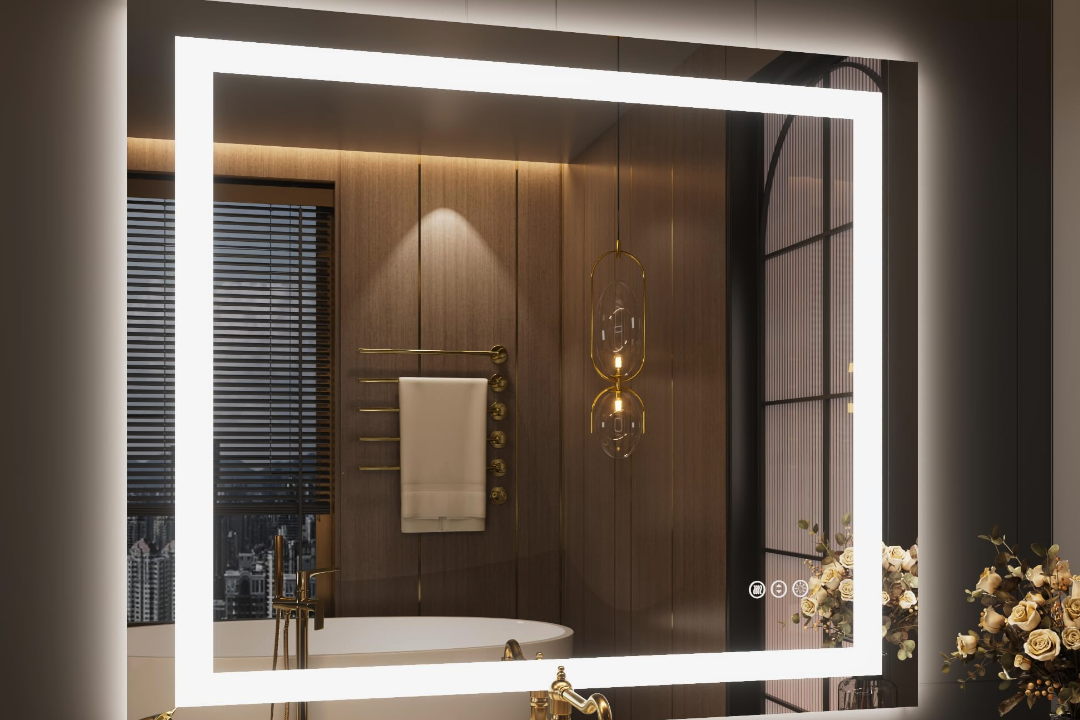
Facing a steamy mirror after a hot shower is a common, and frankly, annoying experience. The good news? You don’t have to live with it. A ‘Bathroom Mirror Front Anti-Fog Glass Wall Lamp’ is essentially a mirror with integrated lighting and a built-in defogging mechanism. This isn’t some futuristic gadget; it’s a practical, elegant solution that ensures your reflection is always crystal clear, even in the most humid bathroom environments. Think of it as a smart upgrade that streamlines your morning routine and elevates your bathroom’s aesthetic.
Understanding the Anti-Fog Technology
The magic behind these mirrors lies in their integrated anti-fog technology. It’s usually not a fan or a chemical spray, but rather a heating element.
How Does It Work?
Most anti-fog mirrors use a low-power heating pad, often called a demister or defogger, affixed to the back of the mirror glass. When activated, this pad gently warms the mirror’s surface just enough to prevent condensation from forming. Fog occurs when warm, moist air meets a cooler surface (your mirror). By slightly elevating the mirror’s temperature, the demister ensures the surface stays above the dew point of the surrounding air, thus preventing water molecules from condensing into fog.
Types of Anti-Fog Mechanisms
While heating pads are the most common, there are subtle variations in how they operate:
Constant-On Demisters
Some mirrors have demisters that are essentially always on when the light is on, or even connected to a separate switch. This ensures the mirror is always ready, but can consume slightly more energy.
Motion-Activated or Humidity-Sensor Demisters
More advanced units might incorporate motion sensors or humidity sensors to activate the demister only when needed. This can be more energy-efficient and hands-off, though often comes with a higher price tag.
Touch-Activated Defogging
Many modern designs feature a touch-sensitive button directly on the mirror surface to activate the anti-fog function. This offers convenient control and typically means the demister only runs when you explicitly want it to.
The Integrated Lighting Advantage
Beyond the fog-free feature, the “wall lamp Aluredesign” aspect of these mirrors is crucial. This isn’t just about sticking a mirror and a light together; it’s about thoughtful integration for optimal illumination.
Benefits of Integrated Lighting
Integrated lighting provides several key advantages over traditional separate vanity lighting. It’s often designed to cast an even, shadow-free light directly onto your face, which is ideal for grooming tasks.
Shadow-Free Illumination
When lights are positioned above or to the sides of a mirror, they can create harsh shadows under your nose, chin, or eyes. Integrated front lighting, typically around the perimeter or as illuminated strips within the mirror, provides a more uniform and flattering light directly where you need it most, minimizing unflattering shadows.
Space Saving and Clutter Reduction
Combining the mirror and light into one unit saves wall space, especially in smaller bathrooms. It also contributes to a cleaner, less cluttered aesthetic, eliminating the need for separate light fixtures around the mirror.
Modern Aesthetic
Integrated lighting often contributes to a sleek, minimalist, and contemporary bathroom design. The light sources are typically diffused and seamless, enhancing the overall sophistication of the space.
Types of Integrated Lighting
The way light is integrated can vary, impacting both aesthetics and functionality.
Backlit Mirrors
These mirrors have lights embedded behind the mirror, casting a soft glow that frames the mirror and illuminates the wall behind it. This creates an ambient, halo-like effect. While beautiful, backlit mirrors primarily provide accent lighting and may not offer sufficient task lighting on their own, often requiring additional overhead or side lighting.
Front-Lit or Edge-Lit Mirrors
These mirrors feature LED strips integrated into the front surface of the glass, often along the edges or as specific design elements within the mirror. This is where the “wall lamp” really comes into play, as this type of lighting is designed to illuminate the user directly. This is ideal for tasks like shaving, applying makeup, or styling hair.
Dimmable Options and Color Temperature
Many high-quality mirror lamps offer dimmable lighting, allowing you to adjust the brightness to suit your needs or mood. Some even feature adjustable color temperature (CCT), letting you switch between warm white (for a relaxing ambiance) and cool white (for detailed grooming tasks). This flexibility is a significant upgrade from standard fixed lighting.
Enhanced Functionality and Smart Features
These aren’t just mirrors and lights; many models incorporate a host of other features designed to improve your bathroom experience.
Touch Controls and Smart Sensors
Modern anti-fog mirror lamps often feature intuitive touch controls directly on the mirror surface.
Capacitive Touch Buttons
These allow you to effortlessly turn the light on/off, adjust brightness, change color temperature, and activate the anti-fog function with a simple tap.
Proximity Sensors
Some advanced models use proximity sensors to automatically turn on the light or anti-fog function when you approach the mirror, offering a truly hands-free experience.
Integrated USB Charging Ports
A discreet USB charging port can be incredibly convenient for charging toothbrushes, razors, or even your phone while you get ready. This helps keep countertops clear of clunky chargers.
Digital Clocks and Temperature Displays
No more fumbling for your phone to check the time. Many mirrors now come with integrated digital clocks, often synced automatically, and even ambient temperature displays, providing useful information at a glance.
Bluetooth Speakers
For those who enjoy music or podcasts while getting ready, some higher-end models include integrated Bluetooth speakers. This allows you to wirelessly stream audio directly to your bathroom mirror, creating a more immersive and enjoyable experience. Make sure to check sound quality reviews if this is a priority.
Choosing the Right Anti-Fog Mirror Lamp
With so many options available, selecting the perfect anti-fog mirror lamp for your bathroom requires careful consideration.
Size and Shape
The dimensions of your mirror should be proportionate to your vanity and bathroom size.
Vanity Width
A common rule of thumb is for the mirror to be slightly narrower than your vanity, or at least the same width. Avoid mirrors that significantly extend beyond the vanity, as this can look unbalanced.
Orientation (Horizontal vs. Vertical)
Decide if a horizontal (landscape) or vertical (portrait) orientation best suits your space and aesthetic. Vertical mirrors can make a wall feel taller, while horizontal mirrors can make a room feel wider.
Shape Options
Beyond standard rectangles, you can find round, oval, arched, or even irregular shapes. Consider how the shape will complement your bathroom’s overall design theme. Round mirrors, for instance, can soften a room full of sharp angles.
Lighting Brightness and Color Temperature
Don’t underestimate the importance of lighting quality.
Lumens and CRI
Look for mirrors with adequate lumen output (brightness) for task lighting. Also, pay attention to the Color Rendering Index (CRI). A high CRI (90+) ensures colors are accurately represented, which is vital for applying makeup or doing your hair.
Adjustable CCT
As mentioned, adjustable color temperature allows you to switch between warm (e.g., 2700K-3000K) for a relaxing glow and cool (e.g., 5000K-6000K) for optimal grooming.
Dimming Capabilities
Dimmable lighting is a highly desirable feature, offering flexibility to suit different times of day or tasks.
Power Source and Installation
Understanding the electrical requirements is crucial for a smooth installation.
Hardwired vs. Plug-In
Most integrated mirror lamps are hardwired, meaning they connect directly to your home’s electrical system, usually to a dedicated circuit. This provides a clean, cable-free look. Some smaller models might be plug-in, which offers easier installation but means a visible cord.
Professional Installation
Unless you’re very comfortable with electrical work, it’s highly recommended to have a qualified electrician install a hardwired mirror lamp. They can ensure proper wiring, grounding, and adherence to local electrical codes. The mirror will require a power source directly behind its mounting location.
IP Rating
Given it’s a bathroom fixture, check the mirror’s Ingress Protection (IP) rating. This indicates its resistance to water and dust. A rating of IP44 or higher is generally recommended for bathroom use, ensuring it can withstand splashes and humidity.
Maintenance and Care
While anti-fog mirrors are designed for convenience, a little care goes a long way in ensuring their longevity and performance.
Cleaning the Mirror Surface
Maintaining a clear reflection also means keeping the glass itself clean, beyond just being fog-free.
Gentle Cleaners
Use a soft, lint-free microfiber cloth and a non-abrasive glass cleaner or a mixture of water and a tiny bit of white vinegar. Avoid ammonia-based cleaners, as they can sometimes damage coatings or LED components over time.
Spraying Technique
Spray the cleaner onto the cloth, not directly onto the mirror, to prevent liquid from seeping into the edges or internal components, especially if the mirror has touch controls or integrated LEDs.
Regular Wiping
Wipe the mirror regularly to prevent soap scum, toothpaste splatters, and water spots from building up, which can be harder to remove later.
Operating the Anti-Fog Feature
Understand how your specific mirror’s anti-fog function works to use it efficiently.
Activation Time
Some demisters take a minute or two to warm up sufficiently to prevent fog. If your mirror has a separate anti-fog button, activate it a few minutes before your hot shower for best results.
Energy Consumption
While demisters are generally low-power, continuously leaving them on if not needed can marginally increase your electricity bill. If your model has an on/off switch for the demister, use it judiciously.
LED Longevity
The integrated LEDs in these mirrors are typically long-lasting, but they aren’t immortal.
Expected Lifespan
LEDs usually boast lifespans of 20,000 to 50,000 hours. For typical bathroom use, this translates to many years of service.
Non-Replaceable LEDs
In most integrated designs, the LEDs are not designed to be individually replaceable. If the LED strip or module fails, you might need a professional repair or, in some cases, a full mirror replacement. This is why investing in a quality brand with a good warranty is important.
Avoiding Overheating
Ensure adequate ventilation around the mirror, especially if it’s operating for extended periods, to prevent overheating of the internal components. This is usually managed by the manufacturer’s design, but avoid blocking any vents if they exist.
A Worthwhile Bathroom Upgrade
A ‘Bathroom Mirror Front Anti-Fog Glass Wall Lamp’ is more than just a fancy accessory; it’s a smart, functional upgrade that addresses common bathroom frustrations and enhances the overall user experience. From ensuring a clear reflection for your morning routine to providing optimal, shadow-free lighting and even offering a range of smart features, these mirrors represent a significant leap forward in bathroom design and utility.
By understanding the technology, considering the various features, and carefully planning your selection and installation, you can choose a mirror that not only eliminates the annoyance of fog but also elevates the aesthetics and functionality of your bathroom for years to come. It’s an investment in convenience, style, and everyday comfort.